
Connecticut Children's sent a four-question survey to candidates for Congress that are on this year's ballot in Connecticut. All surveys that have been completed and returned are included below.
Amy Chai (R)

Dr. Amy Chai grew up in extreme poverty, with a schizophrenic mother in a hoarding environment. She attended Johns Hopkins, Indiana University, U Michigan, and UVA, training in Internal Medicine, care of the complex patient, Epidemiology, and Addiction Medicine. She home educated high school for her children, earning “US Presidential Teacher” from the Obama Administration. Working with a Sudanese NGO, she helped South Sudan gain independence in 2011. Spouse Dr. Toby Chai, urology, ABU trustee.
The youth mental health crisis continues to affect children and families across Connecticut and the nation. Many communities face shortages of pediatric behavioral health providers, long wait times for care, and limited access to prevention and early intervention services. As a result, children often do not receive the care they need until they are in crisis.
As a member of Congress, what federal policies would you prioritize to improve prevention, early intervention, and timely access to high-quality mental and behavioral health services for children and adolescents?
Dr. Chai is pioneering an un-siloed multi-policy program to prevent mental illness and addiction, beginning prior to birth. Example: We know that newborns 0-3 months make 1 million synapses per minute. Yet 23% of new moms return to work by day 10. She has developed a 12 week mandatory paid leave program funded by big business, not taxpayers. Dietary therapy and agri-chemical elimination is another policy issue. Preventive psychiatry will save lives and money. Her book on this topic will be available soon. Free expert CME conferences for pediatricians should help bridge the gap until child psych workforce is enhanced.
Children require healthcare providers with specialized training to meet their unique developmental, physical, and behavioral health needs. They are not simply “little adults." Connecticut and states across the country continue to face shortages of pediatric physicians, nurses, psychologists, and other pediatric specialists, making it increasingly difficult for families to access timely, high-quality care. Congress supports the pediatric physician workforce through the Children's Hospitals Graduate Medical Education (CHGME) program, which provides funding to freestanding children's hospitals that do not receive Medicare Graduate Medical Education payments. CHGME-supported hospitals like Connecticut Children’s train nearly half of the nation's pediatricians and many pediatric subspecialists, helping to ensure that children have access to providers with the expertise to care for even the most complex conditions.
As a member of Congress, what federal policies would you support to strengthen the pediatric healthcare workforce, including programs such as CHGME, to ensure children and families have timely access to the specialized care they need?
Dr. Chai is tired of self-studying neurodevelopmental specialty care for adult patients who have been abandoned by pediatric specialists. She strongly supports tuition reimbursements for Med-Ped transition specialists to make sure autistic children do not get dumped at age 18. She also supports FREE curated subject CME on important and underserved topics. Because learning a new topic takes a week of time off and a few thousand dollars, it is difficult to feel comfortable enough to care for kids while awaiting a specialist. Evening, online, and free CME should be available for those of us trying to learn.
Children's hospitals care for patients with the most complex medical conditions, advance pediatric research and innovation, train the next generation of pediatric providers, and partner with communities to improve children's health. A majority of our patients rely on Medicaid and CHIP and these programs are truly a lifeline for kids and families. In 2023, according to the Kaiser Family Foundation, Medicaid covered 4 in 10 children and 8 in 10 children in poverty, but between March 2025 and March 2026, child enrollment in Medicaid/CHIP decreased in all states.
If elected, what would be your top two or three priorities for protecting and strengthening Medicaid and CHIP during the 120th Congress, and why?
Medicaid and CHIP are programs that enhance the training of pediatric physicians, and this must be considered part of the investment. These programs would also be tapped for parts of my preventive medicine program, in conjunction with easily accessible and heavily advertised educational content. Those are two major reasons that I would like to see these programs funded and geared towards the most cost-effective and most evidence-based interventions. To strengthen CHIP, implementation of 12 month continuous enrollment and mandating auto-renewal improves access. CHIP could also be made permanent to avoid the federal reauthorization issue in the Congressional budget.
Nearly half of all children in Connecticut receive health coverage through Medicaid or the Children's Health Insurance Program (CHIP), making these programs critical to ensuring access to preventive, primary, specialty, and hospital care. Beyond having adequate healthcare coverage, factors that positively contribute to children’s health and wellbeing include living in healthy housing, being able to purchase enough nutritious food, having access to reliable transportation, and experiencing family economic stability.
What role should the federal government play in addressing the broader factors that influence child health and family well-being?
Brain health is health, and mental health is necessary for health positive behaviors. Prevention of mental illness is critical to heal minds, bodies, relationships, families and communities. At the heart of all of our socio-economic problems is people who struggle emotionally and mentally, thus failing everything that follows. If we want to reduce poverty by 10%, we give moms paid maternity leave. If we want stable, working families, we need to stop penalizing marriage and work with benefit cliffs. Use SNAP and education together to change food preferences. Every policy must be evaluated for efficacy and cost savings.

Rosa DeLauro (D)
I currently serve as the Congresswoman from Connecticut’s Third Congressional District. I am the Ranking Member of the House Appropriations Committee, one of four bi-partisan, bi-cameral positions that lead negotiations on the annual federal budget. I am also the Ranking Member of the Labor, Health and Human Services and Education Appropriations Subcommittee, which oversees funding for critical programs that constitute what I believe are the core responsibilities of our federal government – employment, health, and education.
The youth mental health crisis continues to affect children and families across Connecticut and the nation. Many communities face shortages of pediatric behavioral health providers, long wait times for care, and limited access to prevention and early intervention services. As a result, children often do not receive the care they need until they are in crisis.
As a member of Congress, what federal policies would you prioritize to improve prevention, early intervention, and timely access to high-quality mental and behavioral health services for children and adolescents?
During my Congressional tenure, I have advocated for more federal investments in mental health care, particularly for children. I have championed initiatives like the Children's Recovery From Trauma Act, which strengthens the National Child Traumatic Stress Initiative, and Full-Service Community Schools program grants. As Chair of the House Appropriations Subcommittee on Labor, Health, and Human Services, Education, I created the School-Based Mental Health Services Grants Program and have fought for its continued funding. I also sponsored the Expanding Access to Mental Health Services in Schools Act which aims to recruit and hire school counselors, social workers, and psychologists.
Children require healthcare providers with specialized training to meet their unique developmental, physical, and behavioral health needs. They are not simply “little adults." Connecticut and states across the country continue to face shortages of pediatric physicians, nurses, psychologists, and other pediatric specialists, making it increasingly difficult for families to access timely, high-quality care. Congress supports the pediatric physician workforce through the Children's Hospitals Graduate Medical Education (CHGME) program, which provides funding to freestanding children's hospitals that do not receive Medicare Graduate Medical Education payments. CHGME-supported hospitals like Connecticut Children’s train nearly half of the nation's pediatricians and many pediatric subspecialists, helping to ensure that children have access to providers with the expertise to care for even the most complex conditions.
As a member of Congress, what federal policies would you support to strengthen the pediatric healthcare workforce, including programs such as CHGME, to ensure children and families have timely access to the specialized care they need?
As Ranking Member of the House Appropriation’s Subcommittee on Labor, Health and Human Services, and Education, I have led the fight to increase funding for the CHGME program. I know we need to make further investments; however, I am proud that even under a challenging budget climate under the House Republicans, I have been able to ensure there was a modest increase when many programs did not receive one. I am committed to continue to support sustained investments in CHGME as it provides critical resources to train our next generation of pediatric residents and fellows at independent children’s hospitals.
Children's hospitals care for patients with the most complex medical conditions, advance pediatric research and innovation, train the next generation of pediatric providers, and partner with communities to improve children's health. A majority of our patients rely on Medicaid and CHIP and these programs are truly a lifeline for kids and families. In 2023, according to the Kaiser Family Foundation, Medicaid covered 4 in 10 children and 8 in 10 children in poverty, but between March 2025 and March 2026, child enrollment in Medicaid/CHIP decreased in all states.
If elected, what would be your top two or three priorities for protecting and strengthening Medicaid and CHIP during the 120th Congress, and why?
Nationwide, Medicaid and the Children’s Health Insurance Program (CHIP) provide medical coverage to nearly four in ten children. As both Chair and Ranking Member of the House Appropriations Committee and its LHHS Subcommittee, I have continuously pushed for long-term, stable federal funding to prevent state-level program disruptions and consistently opposed federal budget proposals that seek to reduce funding or rescind funds for CHIP and Medicaid. Beyond continuing to defend these existing programs, I will re-introduce Medicare for America, legislation which would provide universal coverage options while protecting essential pediatric benefits, maternal health care, and comprehensive services comparable to public models.
Nearly half of all children in Connecticut receive health coverage through Medicaid or the Children's Health Insurance Program (CHIP), making these programs critical to ensuring access to preventive, primary, specialty, and hospital care. Beyond having adequate healthcare coverage, factors that positively contribute to children’s health and wellbeing include living in healthy housing, being able to purchase enough nutritious food, having access to reliable transportation, and experiencing family economic stability.
What role should the federal government play in addressing the broader factors that influence child health and family well-being?
In 2021, I helped secure the expanded Child Tax Credit (CTC) in the American Rescue Plan, based on my American Family Act (AFA), that significantly contributed to the child poverty rate falling nearly in half. This meant for the 361,000 families of 583,000 children in Connecticut, the monthly checks gave stability to those experiencing poverty and to middle class families, as they tackled the expenses of everyday life. The AFA provides a baby bonus to help families in that critical, yet expensive, first year of life. I will not stop fighting until the expanded, monthly CTC is permanent.
Damon Cerreta (R)
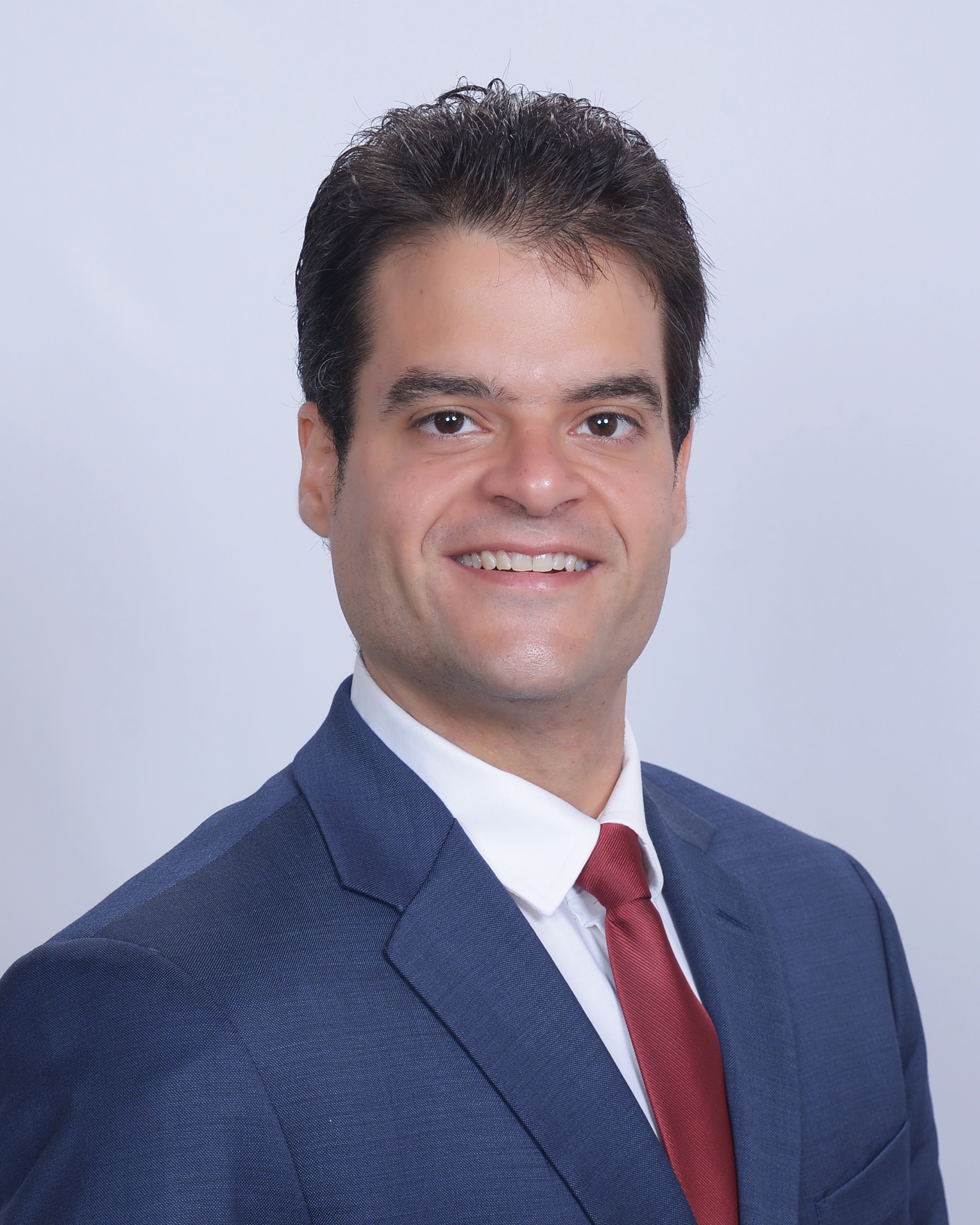
My name is Damon Cerreta, a lifelong Connecticut resident and small business owner from Brookfield. I am the founder and operator of Cerreta Cleaning Services, LLC, serving commercial and residential clients across Fairfield County. I have a diverse professional background spanning account management, customer service, and environmental services. Outside of work, I enjoy writing contemporary fiction, staying active in my community and reading diverse books on history.
The youth mental health crisis continues to affect children and families across Connecticut and the nation. Many communities face shortages of pediatric behavioral health providers, long wait times for care, and limited access to prevention and early intervention services. As a result, children often do not receive the care they need until they are in crisis.
As a member of Congress, what federal policies would you prioritize to improve prevention, early intervention, and timely access to high-quality mental and behavioral health services for children and adolescents?
Youth Mental Health: The youth mental health crisis requires comprehensive, proactive federal action. In Congress, I would prioritize expanding federal grant programs that fund school-based mental health professionals, ensuring early intervention where children spend most of their time. Furthermore, I support increasing funding for community health centers to expand pediatric behavioral health services in underserved areas. We must also enforce and strengthen mental health parity laws to ensure insurance companies cover behavioral health treatments just as comprehensively as physical health. By investing in preventative care and expanding telehealth access, we can help families secure timely, high-quality support before crises escalate.
Children require healthcare providers with specialized training to meet their unique developmental, physical, and behavioral health needs. They are not simply “little adults." Connecticut and states across the country continue to face shortages of pediatric physicians, nurses, psychologists, and other pediatric specialists, making it increasingly difficult for families to access timely, high-quality care. Congress supports the pediatric physician workforce through the Children's Hospitals Graduate Medical Education (CHGME) program, which provides funding to freestanding children's hospitals that do not receive Medicare Graduate Medical Education payments. CHGME-supported hospitals like Connecticut Children’s train nearly half of the nation's pediatricians and many pediatric subspecialists, helping to ensure that children have access to providers with the expertise to care for even the most complex conditions.
As a member of Congress, what federal policies would you support to strengthen the pediatric healthcare workforce, including programs such as CHGME, to ensure children and families have timely access to the specialized care they need?
Pediatric Healthcare Workforce: To ensure every child receives specialized, high-quality care, we must address the nationwide shortage of pediatric healthcare providers. I strongly support robust, long-term federal funding for the Children's Hospitals Graduate Medical Education (CHGME) program, which is essential for training the next generation of pediatricians and subspecialists. Additionally, I would champion legislation expanding student loan forgiveness and debt relief programs for healthcare professionals who commit to pediatric specialties and practice in medically underserved communities. Strengthening federal investments in nursing education and pediatric residency programs will secure a sustainable workforce capable of meeting the complex needs of our children.
Children's hospitals care for patients with the most complex medical conditions, advance pediatric research and innovation, train the next generation of pediatric providers, and partner with communities to improve children's health. A majority of our patients rely on Medicaid and CHIP and these programs are truly a lifeline for kids and families. In 2023, according to the Kaiser Family Foundation, Medicaid covered 4 in 10 children and 8 in 10 children in poverty, but between March 2025 and March 2026, child enrollment in Medicaid/CHIP decreased in all states.
If elected, what would be your top two or three priorities for protecting and strengthening Medicaid and CHIP during the 120th Congress, and why?
My top priority is ensuring continuous, uninterrupted coverage for eligible children by supporting federal legislation that mandates 12-month continuous eligibility for Medicaid and CHIP across all states. This prevents administrative hurdles from stripping vulnerable kids of life-saving care. Second, I would prioritize increasing federal reimbursement rates for pediatric providers within these programs to incentivize wider participation and reduce wait times for families. Finally, I support expanding CHIP eligibility thresholds so working-class families facing economic pressure do not fall through the coverage gap. These steps guarantee our most vulnerable children maintain reliable access to essential health.
Nearly half of all children in Connecticut receive health coverage through Medicaid or the Children's Health Insurance Program (CHIP), making these programs critical to ensuring access to preventive, primary, specialty, and hospital care. Beyond having adequate healthcare coverage, factors that positively contribute to children’s health and wellbeing include living in healthy housing, being able to purchase enough nutritious food, having access to reliable transportation, and experiencing family economic stability.
What role should the federal government play in addressing the broader factors that influence child health and family well-being?
The federal government must recognize that a child's health begins long before they enter a doctor's office. I believe in taking a comprehensive, community-focused approach to family well-being that benefits everyone. We should expand federal investments in affordable, safe housing initiatives and strengthen nutritional assistance programs, ensuring no child goes hungry. Furthermore, supporting working families through reliable childcare subsidies and accessible public transportation grants will foster vital economic stability. By building strong public-private partnerships, the federal government can help create environments where all families have the foundational resources to thrive.
Jahana Hayes (D)

Jahana Hayes is the U.S. Representative for the Fifth Congressional District of Connecticut. Hayes was elected in November 2018. She is the first African-American Congresswoman from Connecticut, and this is her first public office. She serves on the House Education & Workforce Committee and the House Agriculture Committee. A Waterbury high school teacher, Hayes first garnered widespread notoriety when she was named National Teacher of the Year in 2016 by President Barack Obama.
The youth mental health crisis continues to affect children and families across Connecticut and the nation. Many communities face shortages of pediatric behavioral health providers, long wait times for care, and limited access to prevention and early intervention services. As a result, children often do not receive the care they need until they are in crisis.
As a member of Congress, what federal policies would you prioritize to improve prevention, early intervention, and timely access to high-quality mental and behavioral health services for children and adolescents?
As a Member of Congress, I introduced the Educational Equity Challenge Grant Act, which would create an application-based grant program administered by the Department of Education over the next ten years to accelerate academic progress and address social, emotional, mental, behavioral, and physical health needs. Additionally, I introduced the Supporting Trauma-Informed Instructional Practices Act, which helps to improve trauma support services for children in educational settings. I have also supported increased funding for SAMHSA at HHS. I plan to continue to support funding for programs that support children, while also looking for innovative ways to address the mental health crisis.
Children require healthcare providers with specialized training to meet their unique developmental, physical, and behavioral health needs. They are not simply “little adults." Connecticut and states across the country continue to face shortages of pediatric physicians, nurses, psychologists, and other pediatric specialists, making it increasingly difficult for families to access timely, high-quality care. Congress supports the pediatric physician workforce through the Children's Hospitals Graduate Medical Education (CHGME) program, which provides funding to freestanding children's hospitals that do not receive Medicare Graduate Medical Education payments. CHGME-supported hospitals like Connecticut Children’s train nearly half of the nation's pediatricians and many pediatric subspecialists, helping to ensure that children have access to providers with the expertise to care for even the most complex conditions.
As a member of Congress, what federal policies would you support to strengthen the pediatric healthcare workforce, including programs such as CHGME, to ensure children and families have timely access to the specialized care they need?
As a Member of Congress, I have signed on to multiple letters supporting increased funding for the Children's Hospitals Graduate Medical Education (CHGME) program, including during the Fiscal Year 2027 appropriations cycle. I am also a cosponsor of the Accelerating Kids Access to Care Act, which would improve access to life-saving care for children with complex medical conditions by simplifying out-of-state Medicaid screening and enrollment processes for pediatric care providers while retaining key safeguards to preserve the program's integrity. I plan to continue to support the CHGME program and ensure timely access to essential health care for children.
Children's hospitals care for patients with the most complex medical conditions, advance pediatric research and innovation, train the next generation of pediatric providers, and partner with communities to improve children's health. A majority of our patients rely on Medicaid and CHIP and these programs are truly a lifeline for kids and families. In 2023, according to the Kaiser Family Foundation, Medicaid covered 4 in 10 children and 8 in 10 children in poverty, but between March 2025 and March 2026, child enrollment in Medicaid/CHIP decreased in all states.
If elected, what would be your top two or three priorities for protecting and strengthening Medicaid and CHIP during the 120th Congress, and why?
The Congressional Budget Office now projects that 3 million children will lose Medicaid or CHIP coverage by 2036 because of H.R. 1. My top priority is repealing those cuts. So children do not lose access to healthcare. We also must pass the CHIPP Act, which would permanently extend CHIP and related programs that support the development of child health quality measures and outreach and enrollment efforts. The bill also permanently authorizes the Medicaid and CHIP express lane eligibility option, which allows states to use information from designated programs to streamline eligibility determinations for children.
Nearly half of all children in Connecticut receive health coverage through Medicaid or the Children's Health Insurance Program (CHIP), making these programs critical to ensuring access to preventive, primary, specialty, and hospital care. Beyond having adequate healthcare coverage, factors that positively contribute to children’s health and wellbeing include living in healthy housing, being able to purchase enough nutritious food, having access to reliable transportation, and experiencing family economic stability.
What role should the federal government play in addressing the broader factors that influence child health and family well-being?
Children cannot be healthy without nutritious, consistent meals and a roof over their heads. I have introduced legislation to expand children's access to healthy meals through bills like the School MEALS Act, the Scratch Cooked Meals for Students Act, and the WIC for Kids Act. In the wealthiest country on earth, no child should go hungry, and keeping kids healthy is essential. I also voted for a version of the 21st Century ROAD to Housing Act, the most comprehensive overhaul of America's affordable housing programs in decades, which would significantly change existing programs and expand housing for families.