
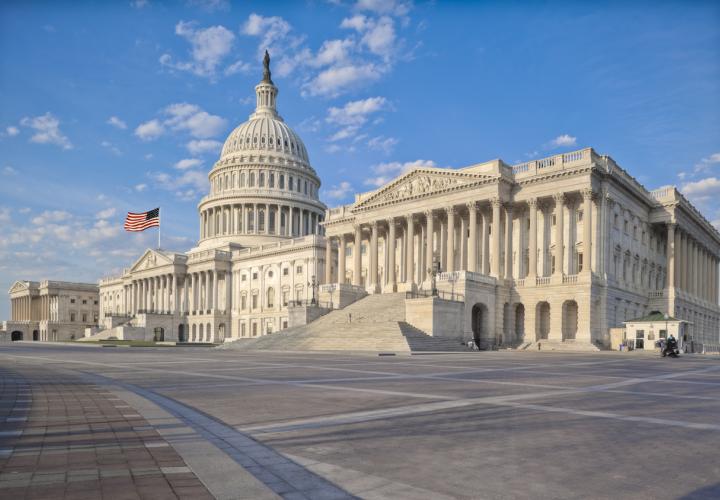
Connecticut is represented in Congress by two U.S. senators and five members of the U.S. House of Representatives.
When do I vote in federal elections?
- U.S. Senators are up for reelection every six years, and members of the House of Representatives are reelected every 2 years (in even numbered years).
- In 2026, all five of Connecticut's U.S. House seats are on the ballot. There is no U.S. Senate race in Connecticut this year.
- The general election is Tuesday, November 3, 2026.
Why do federal elections matter?
Federal elections matter because your members of Congress vote in Washington, DC on issues that impact children’s health, like those listed below. Children rely on many federal programs to help them grow, learn, and succeed.
Health Care Access
Although many aspects of the Medicaid program are regulated at the state-level, at its core, Medicaid is a federal program regulated by the federal Centers for Medicare & Medicaid Services (CMS). Medicaid provides children with a comprehensive set of services, including preventative services and medically necessary care.
Nutrition and Food Assistance
The Supplemental Nutrition Assistance Program (SNAP) helps provide food to over 41 million people nationwide, many of them children. Congress sets the funding and eligibility levels for SNAP and other programs that help make sure kids have access to food, like the USDA free and reduced priced lunch program. More than 230,000 households in Connecticut rely on SNAP.
Funding Training and Education for Pediatric Providers
The Children’s Hospital Graduate Medical Education Payment Program (CHGME) provides federal funding for freestanding, children’s hospitals to help them train resident physicians. It is critically important that our state and nation have enough well-trained pediatricians to take care of children in need, and CHGME funding helps make this possible.
Research and Public Health
Federal funding supports biomedical research, public health programs, emergency preparedness, and agencies such as the National Institutes of Health, Centers for Disease Control and Prevention, and the U.S. Department of Health and Human Services.
Federal policy can affect children in many different ways. Voters can review candidate positions and public records to decide which issues are most important to them.