



When your child is sick or needs specialized care, nothing else matters. You focus on their health, on getting them the care they need, and on being there for them every step of the way. For any parent, even small barriers, such as long waits, limited specialists, or complicated insurance, can feel overwhelming and frightening.
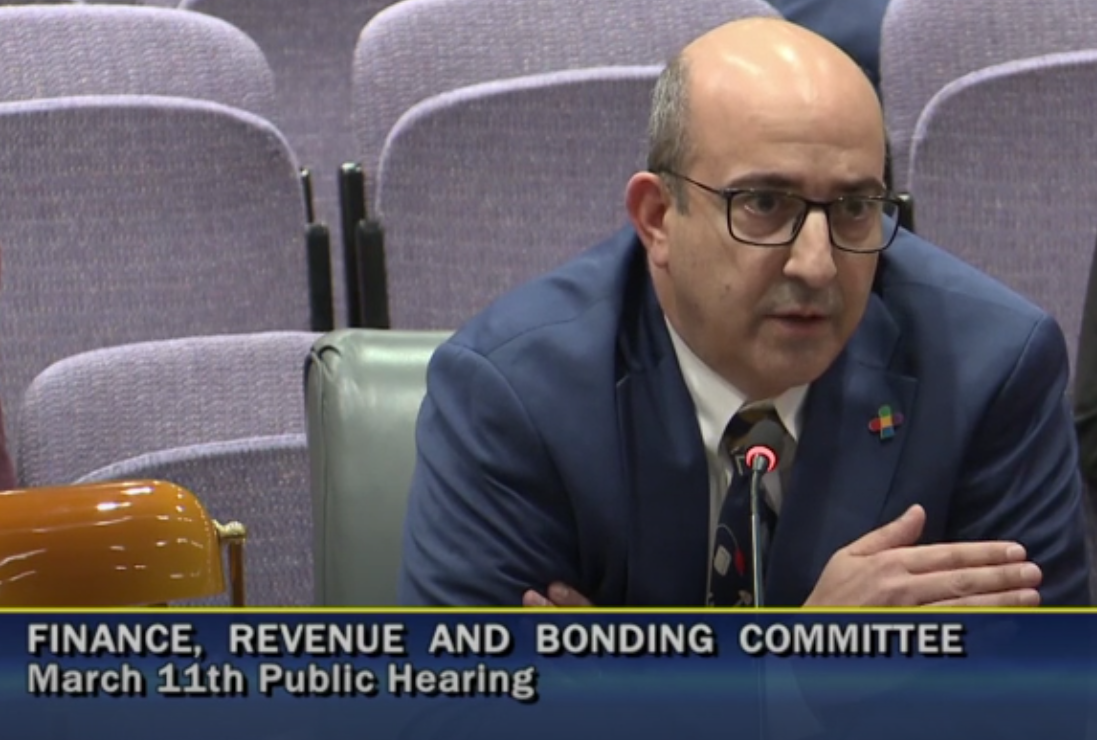
On March 11, I had the honor of representing Connecticut Children’s at a public hearing in Hartford, speaking to the legislative Finance Committee about why investing in children who rely on Medicaid is so critical. Strengthening funding ensures that hospitals like Connecticut Children’s can expand services, hire more clinicians, and bring care closer to families, so that when a child needs care, parents do not have to face those barriers.
Advocating for Medicaid Funding
At the hearing, I urged the committee to include Connecticut Children’s in the state’s hospital tax. While it may sound surprising to ask a hospital to pay a tax, this approach is a common way for states to leverage federal Medicaid dollars and increase payments to hospitals. In fact, Connecticut Children’s is the only independent children’s hospital in the country that does not participate in its state’s hospital tax.
I was proud to join our government relations team in their efforts to improve Connecticut Children’s Medicaid results, because the State of Connecticut truly needs to invest more in kids. In adult medicine, Connecticut Medicaid payments cover 62% of hospital costs, but at Connecticut Children's, Medicaid payments cover only 50.8% of our costs.
Connecticut Children’s needs state leaders to raise our Medicaid revenue so our costs are covered at the same level as adult hospitals. Medicaid underfunding limits our ability to hire staff and invest in needed services and has led to diminished access to care for ALL children, regardless of their payors. Additional Medicaid funding would allow Connecticut Children’s to hire more clinicians in high-demand specialties, expand services in our various locations across the state, and bring care closer to home for more families.
Empowering Physician Advocates
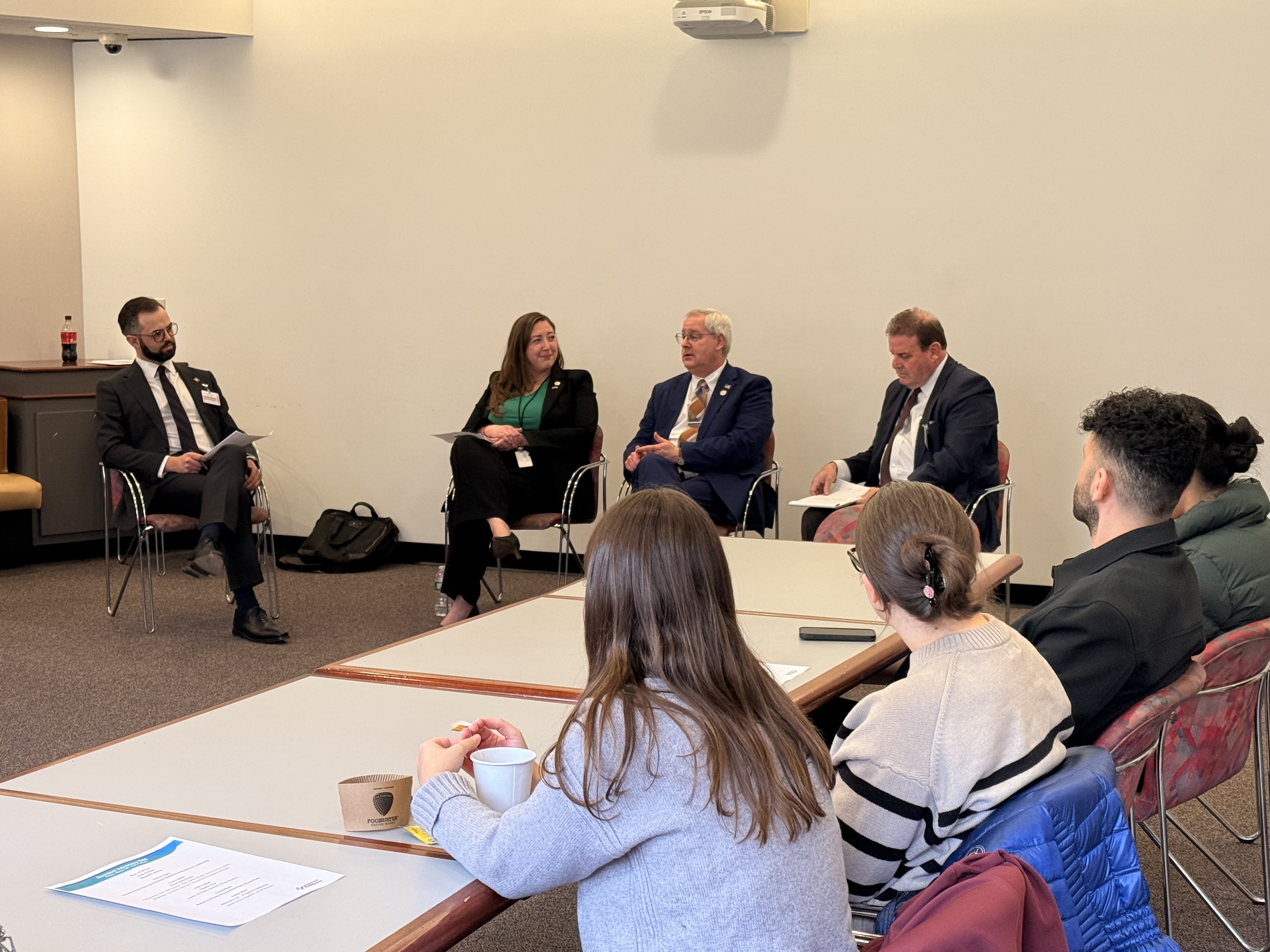
I strongly believe in the power of physician advocacy, which is why I am so pleased that our Pediatric Residency includes experiences through our Resident Education in Advocacy and Community Health (REACH) program that enable our residents and fellows to advocate effectively for their patients and families, and for the populations they serve during their residency experience and throughout their careers. Two days following my testimony, Drs. Hogeland and Mandell partnered with our government relations team to host 50 pediatric learners at a special academic half-day, Advocacy Day at the State Capitol.
At this event, our residents and fellows heard from two state legislators who also happen to work in clinical roles. Rep. Kaitlyn Shake (D) works as a nurse at Norwalk Hospital and is serving in her first term in the legislature, representing the town of Stratford. Sen. Jeff Gordon (R) is an adult hematologist/oncologist who represents several rural towns in northeast Connecticut and he is the former President of the Connecticut State Medical Society. Rep. Shake and Sen. Gordon shared their insights about how their clinical expertise informs their policymaking roles and they encouraged our residents and fellows to become engaged in advocacy to improve the health of kids, families and communities. After a tour of the Legislative Office Building and State Capitol, Drs. Hogeland and Mandell led a discussion about specific advocacy tips and tricks and shared their experiences working as physician advocates, including Dr. Hogeland’s recent opportunity to speak at a press conference about enacting a child tax credit.
A Shared Responsibility to Children
At the Finance Committee hearing, I shared with legislators that as a physician, a hospital leader, and as a Connecticut parent, I know firsthand how deeply a child’s illness or need for care affects a family. When a child needs help, parents don’t think about tax codes or reimbursement rates—they just want care to be there when it counts.
That’s why investing in Medicaid matters so much. It helps ensure hospitals can be ready for families when their world feels overwhelming. The children we care for do not choose their insurance; they simply need care. Our shared responsibility is to make sure that care is available without barriers, so families can focus on what truly matters: the health and well‑being of their child.