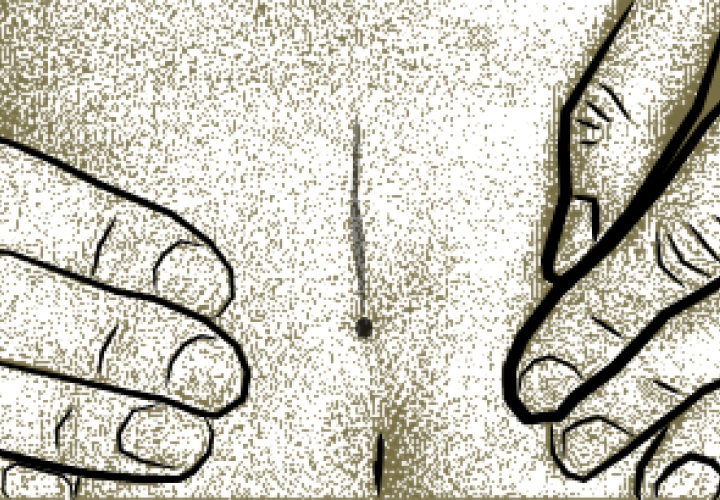
Finding anything unusual on your newborn’s skin—especially near the spine—can be stressful for parents
One of the most common reasons kids see our team in pediatric neurosurgery is for a coccygeal pit, something that often sounds more concerning than it actually is.
To help answer common questions and ease worry, we spoke with Bethany Simonetti, APRN, pediatric neurosurgery nurse practitioner.
What is a coccygeal pit?
A coccygeal pit (sometimes called a coccygeal dimple) is a small dent or dimple in the skin at the base of a baby’s spine.
It is located just below the crease between the buttocks and directly over the tailbone.
Coccygeal pits are:
Very common
Visible at birth
Almost always harmless
Babies with a coccygeal pit are healthy and develop normally.
How is a coccygeal pit different from a sacral dimple?
These terms get mixed up a lot, but location is key.
Here are the differences:
• Coccygeal pits are found below or in the buttock crease and are almost always normal. • Dimples or similar spots that are higher up on the lower back can, in some cases, be linked to spinal conditions.
Because of this difference, dimples that are higher up on the back are more likely to need imaging, while coccygeal pits do not.
Pediatricians often refer babies with dimples near the spine out of caution, especially when they want a specialist to confirm that everything looks normal.
Is centered in the middle and sits low on the spine
Does not have other skin changes nearby
When a pit looks like this, it is considered a normal variation of the skin and not a sign of a spinal or nerve problem.
Do coccygeal pits ever get infected?
Most of the time, no. Rarely, if a pit is deeper, it can collect dirt or moisture and lead to:
Mild skin irritation
A small infection in the area
If this happens, it is usually easy to treat with basic care or medication from your pediatrician. Importantly, they do not carry a risk of a more serious infection such as meningitis.
When should parents worry about coccygeal pits?
In most cases, never. However, you should let your pediatrician know if you notice any of the following:
The pit is above the buttock crease
Redness, swelling, or drainage from the area
A patch of hair, skin tag, or discoloration near the pit
If you notice any of these, your child’s may need more detailed testing, such as an ultrasound or MRI, to take a closer look.
Coccygeal Pits: Quick Facts for Parents
✔ Very common in newborns ✔ Present at birth ✔ Found below the buttock crease ✔ Almost always harmless ✔ Rarely need imaging or treatment ✘ Not associated with tethered cord
If your baby has a coccygeal pit, chances are very high that nothing further needs to be done.
Does a coccygeal pit mean tethered cord?
No.
Coccygeal pits are a common and normal finding in babies. They almost never require imaging, treatment, or surgery. While referrals can feel alarming, they are often made simply to be safe—and most families leave reassured.
If you ever have concerns, Connecticut Children’s pediatric neurosurgery team is here to help answer questions and provide peace of mind.
Why might my child be referred to pediatric neurosurgery?
Pediatricians often refer babies with dimples near the spine out of caution, especially when they want a specialist to confirm that everything looks normal. Pediatric neurosurgeons are experts in identifying which findings are harmless and which ones may need further evaluation.
For coccygeal pits, families are very often referred and then reassured that no treatment or follow-up is needed.
Final thoughts about coccygeal pits: Coccygeal pits are a common, harmless finding in babies and almost never need treatment or imaging. You can, rest assured, this is simply part of normal anatomy.
Want more articles like this from pediatric experts you trust?