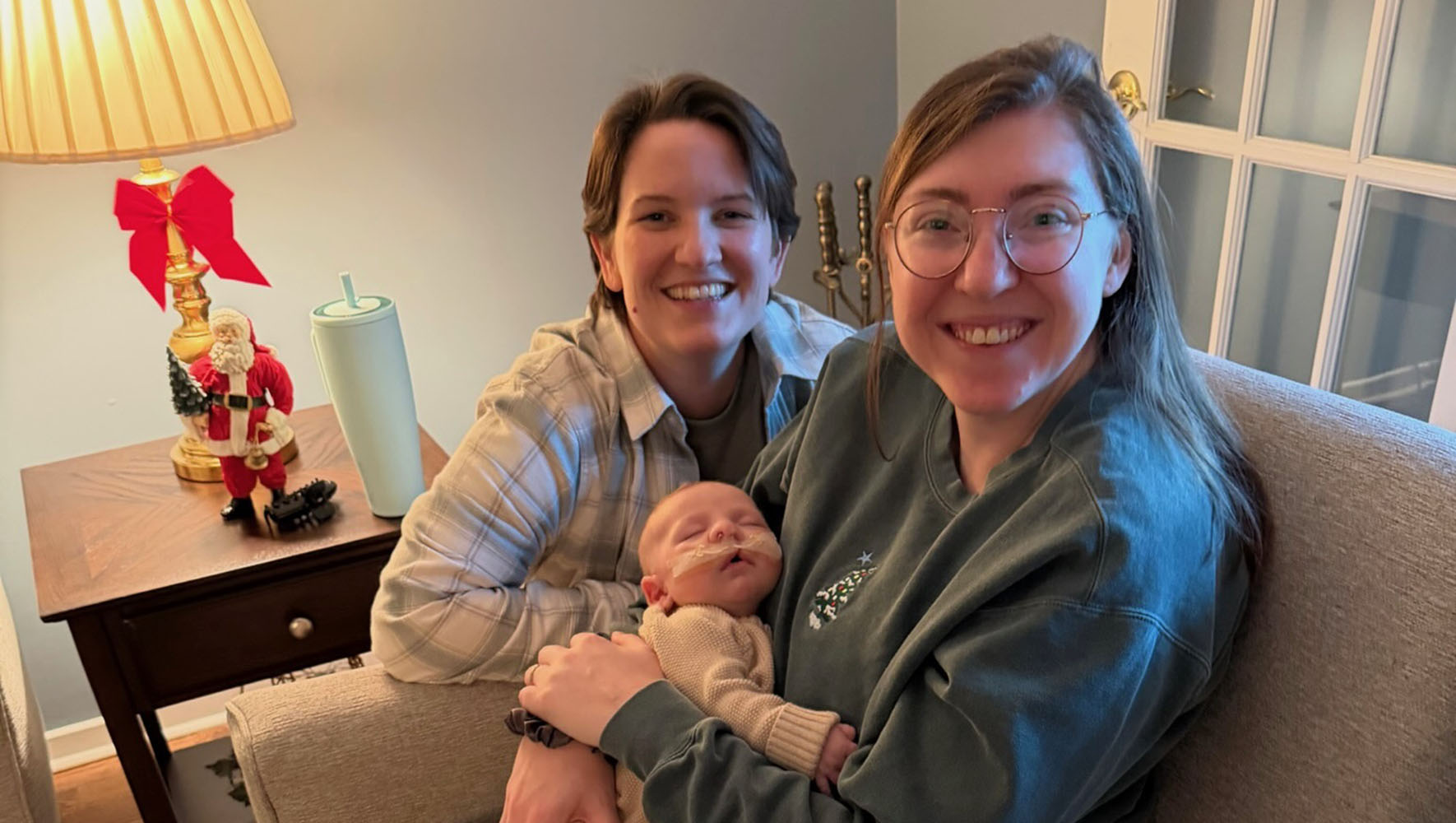
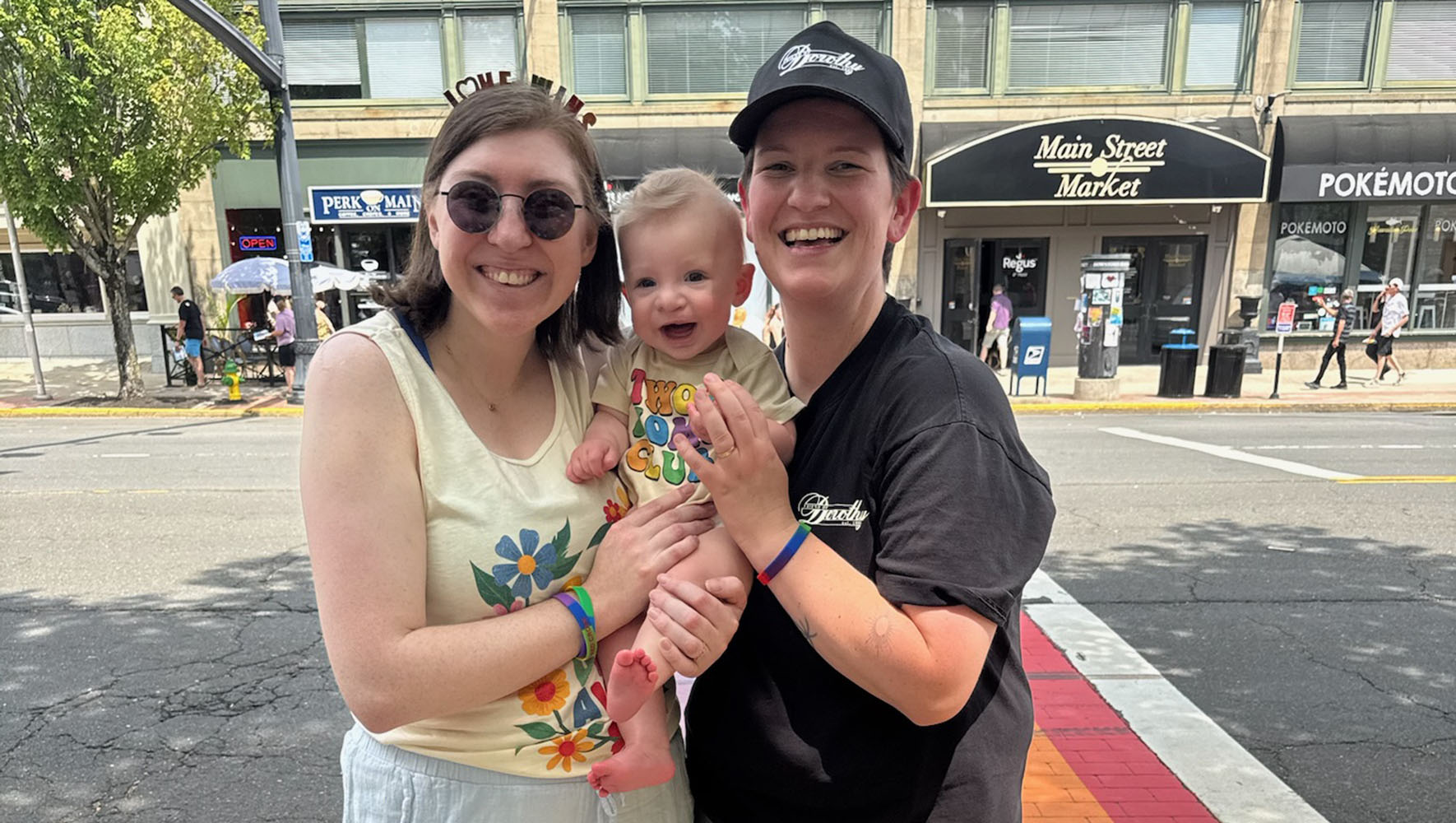
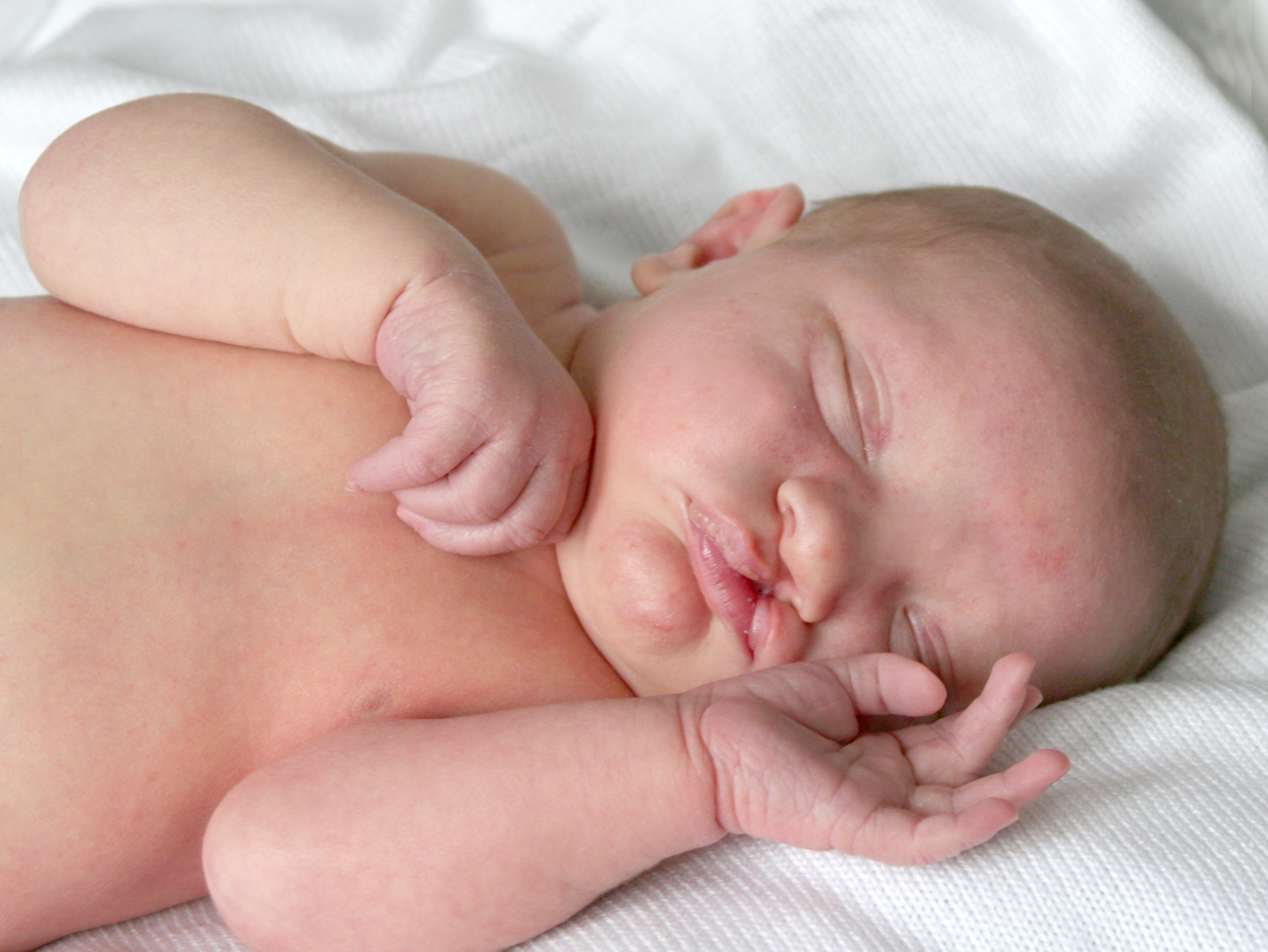
After an unexpected diagnosis during pregnancy, Tatum’s moms found reassurance, practical support and Connecticut Children’s care team that would be there for their family from pregnancy through adulthood.

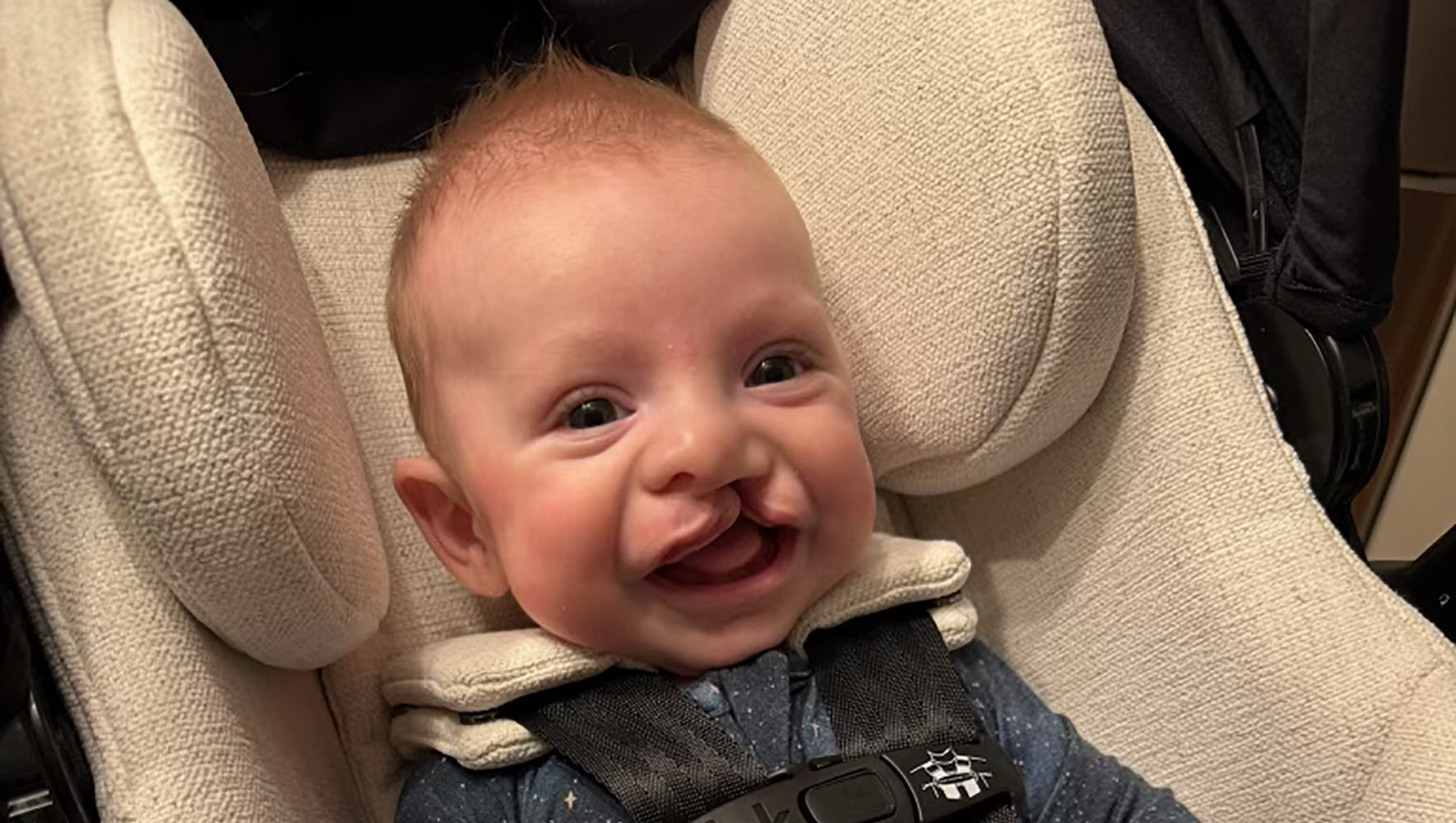
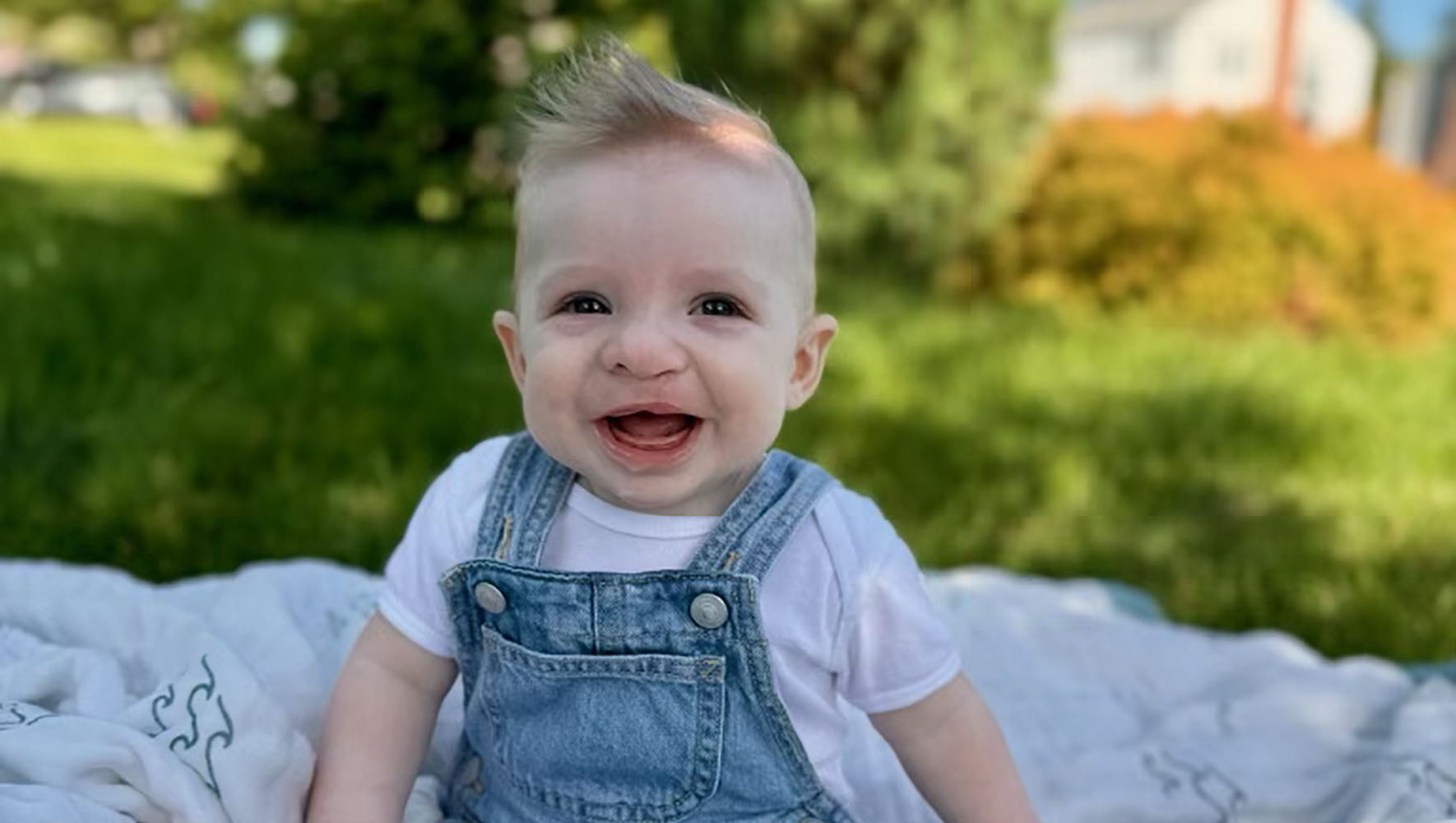
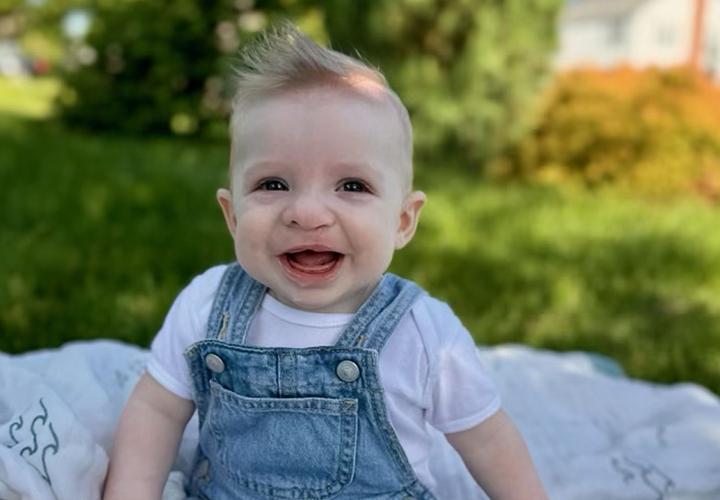
At 3 months old, Tatum woke up on the morning of his cleft lip and nose surgery with one of his biggest gummy smiles.

His moms, Amanda and Abby, had been carefully prepared for the procedure by Connecticut Children’s Craniofacial Team. Still, they wondered how it would feel to see their baby’s face look different.

After surgery, that worry quickly disappeared.

“He was the same Tatum,” they say.

An Unexpected Discovery at 20 Weeks

Until their 20-week anatomy scan, Amanda and Abby’s pregnancy had been reassuring. They had even decided to wait until delivery to learn their baby’s sex.

Then the scan revealed that their baby had a cleft lip and palate.

“It came completely out of left field,” Amanda says.

Suddenly, they had a lot of questions. Was the cleft isolated or connected to another condition? What would feeding be like? What surgeries would their baby need? What would his future look like?

They also decided they had reached their limit on surprises.

“We turned to each other and said, ‘We have to know what we’re having. We can’t handle any more surprises,’” Abby recalls.

They were having a boy.

With guidance from their physicians and a genetic counselor, Amanda and Abby chose to have an amniocentesis. The results did not identify a genetic connection, bringing some relief.

But they still had many questions about what life would look like for their son.

Reassurance Before Tatum Was Even Born

Soon after the anatomy scan, their maternal-fetal medicine physician at Hartford Hospital, Jennifer Park, MD, referred the family to Connecticut Children’s Craniofacial Team. Jenn Euen, Clinical Care Coordinator, called them within days, and by about 21 or 22 weeks, Amanda and Abby were already meeting his would-be care team. 

The quick connection made an enormous difference.

“We were going through so much stress, and we were terrified,” they say. “Being in front of the Craniofacial team so soon after finding out about the cleft was such a relief. It was seamless. They held our hand.”

The team walked them through the expected stages of Tatum’s care and gave them a folder with a visual timeline. 

They explained how babies with cleft palate may need special bottles, how feeding could work and when different procedures might take place.

Most importantly, the team helped Amanda and Abby see beyond the diagnosis.

“They kept saying, ‘He’s just a regular baby with a cleft,’” they remember.

Those words did not minimize the care Tatum would need. Instead, they reminded his moms to see their baby first.


quote icon

[Connecticut Children's] was connected and available. We never stopped feeling supported. 

Amanda and Abby,
Tatum's Moms

Support From Tatum’s First Day

The rest of the pregnancy went well. Tatum was born at Hartford Hospital with a unilateral, left-sided cleft lip and palate.

About 12 hours after his birth, Dr. Christopher Hughes and Jenn came to the family’s hospital room. They checked on Tatum, brought different types of specialty bottles and showed Amanda and Abby how to position him for feeding.

Tatum caught on quickly.

Both Amanda and Abby are nurses, so they understood how busy a physician’s schedule can be. Dr. Hughes coming directly to their room made a lasting impression.

“The fact that Dr. Hughes came to us spoke volumes,” they say. “They were connected and available. We never stopped feeling supported.”

When Tatum later developed a small sore on the roof of his mouth once he was home, Jenn responded quickly with suggestions and guidance.

For Amanda and Abby, knowing they had someone to call was as important as the medical care itself.

Preparing for Cleft Lip Surgery

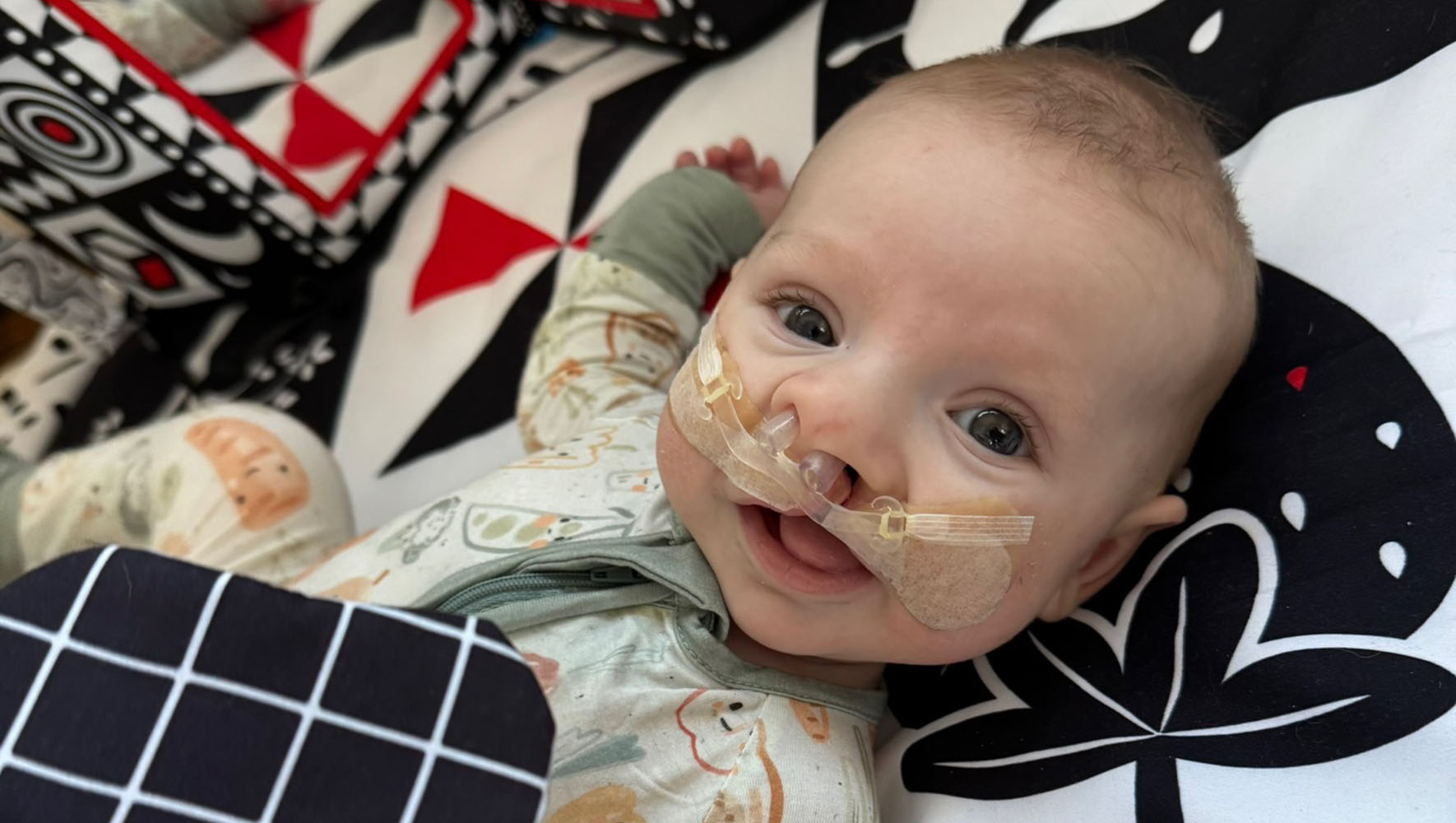
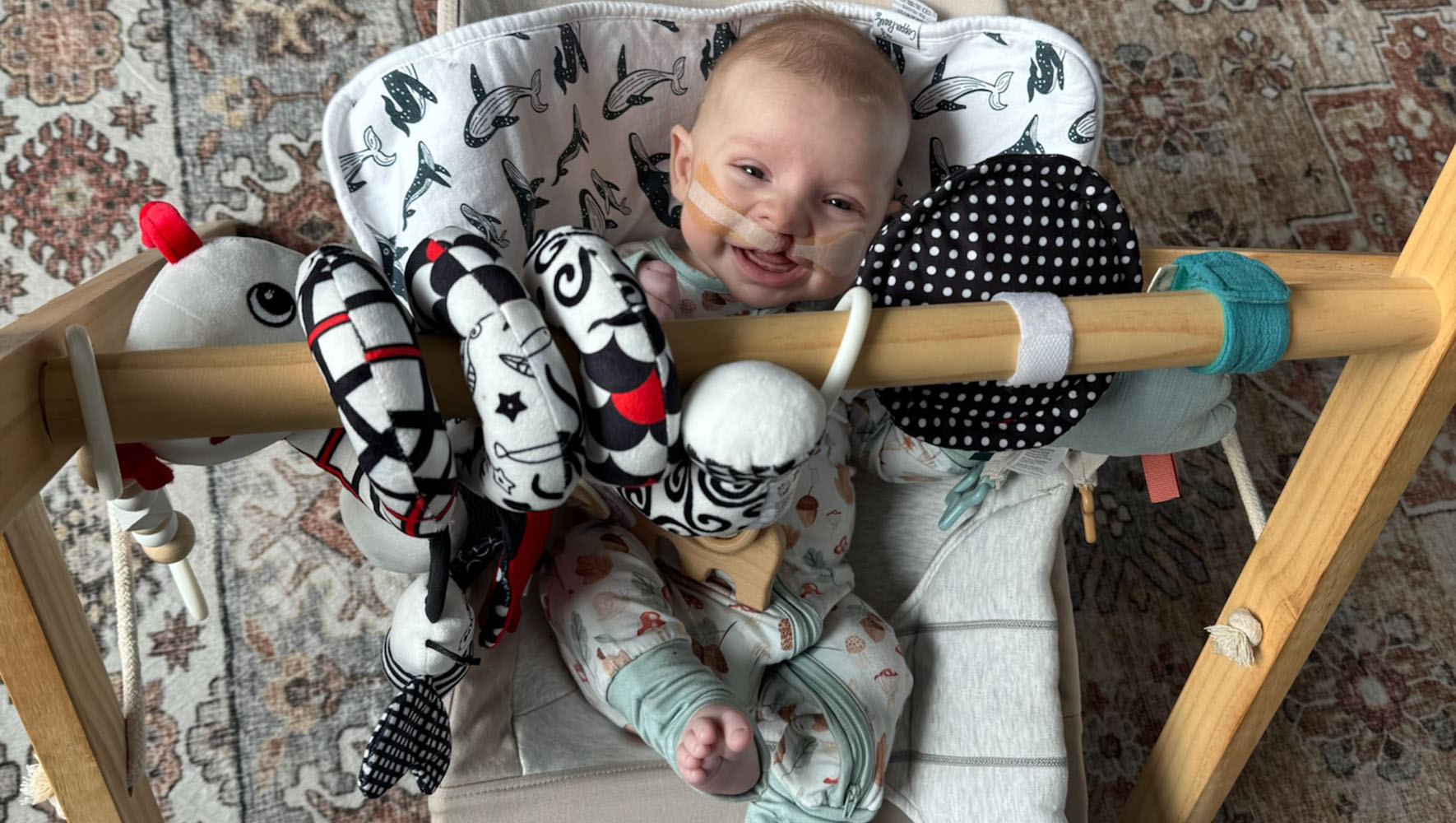
When Tatum was about 3 weeks old, his moms began taping his lip to prepare for surgery. The Craniofacial Team gave them the supplies and hands-on instruction they needed to manage the routine at home.

They learned how to protect Tatum’s skin, position the tape and use small nasal stents. The team monitored his progress and made adjustments as he grew.

It took consistency and patience—especially when Tatum decided to pull the tape off—but his moms soon became comfortable with the routine.

“The team set us up with everything we needed,” they say.

A few months later, Tatum was ready for his cleft lip and nose repair.

 

The Morning of Surgery

At just a few months old, Tatum was ready for his cleft lip and nose repair.
Amanda and Abby drove to Connecticut Children’s early in the morning. Before Tatum was taken into the operating room, Dr. Hughes and Jenn came to answer their remaining questions.

The procedure took about three hours. During the surgery, Amanda and Abby received updates through the EASE app.

Because they are nurses, they knew what the procedure and anesthesia involved. That knowledge was helpful, but it also gave their “nurse brains” plenty to think about.

They trusted the medical team. Their more personal worry was how they would react to seeing Tatum’s repaired lip for the first time.

When they saw him after surgery, he was sleeping peacefully on his side. His recovery went well, his pain was managed and he stayed in the hospital for one night. Jenn stopped by several times to check on the family.

The most difficult part of recovery turned out to be something much more familiar to parents: Tatum was not allowed to use his pacifier.

As for adjusting to his new appearance, the transition felt much easier than Amanda and Abby had expected.

They did not see a different baby. They saw their son.


One Team for the Years Ahead


Tatum’s next major step will be palate repair when he is around 10 to 12 months old. Connecticut Children’s will continue following him as he grows, with annual Craniofacial Team visits expected through age 18.

During those visits, families can see several specialists in one coordinated appointment. Depending on Tatum’s needs, his care may involve experts from plastic surgery, ear, nose and throat care, speech therapy, social work and other pediatric specialties.

For Amanda and Abby, that coordination is invaluable.

“It’s amazing,” they say. “Instead of going to six different appointments, everyone is together.”

It also means they do not have to travel hours from home to find specialized cleft care.

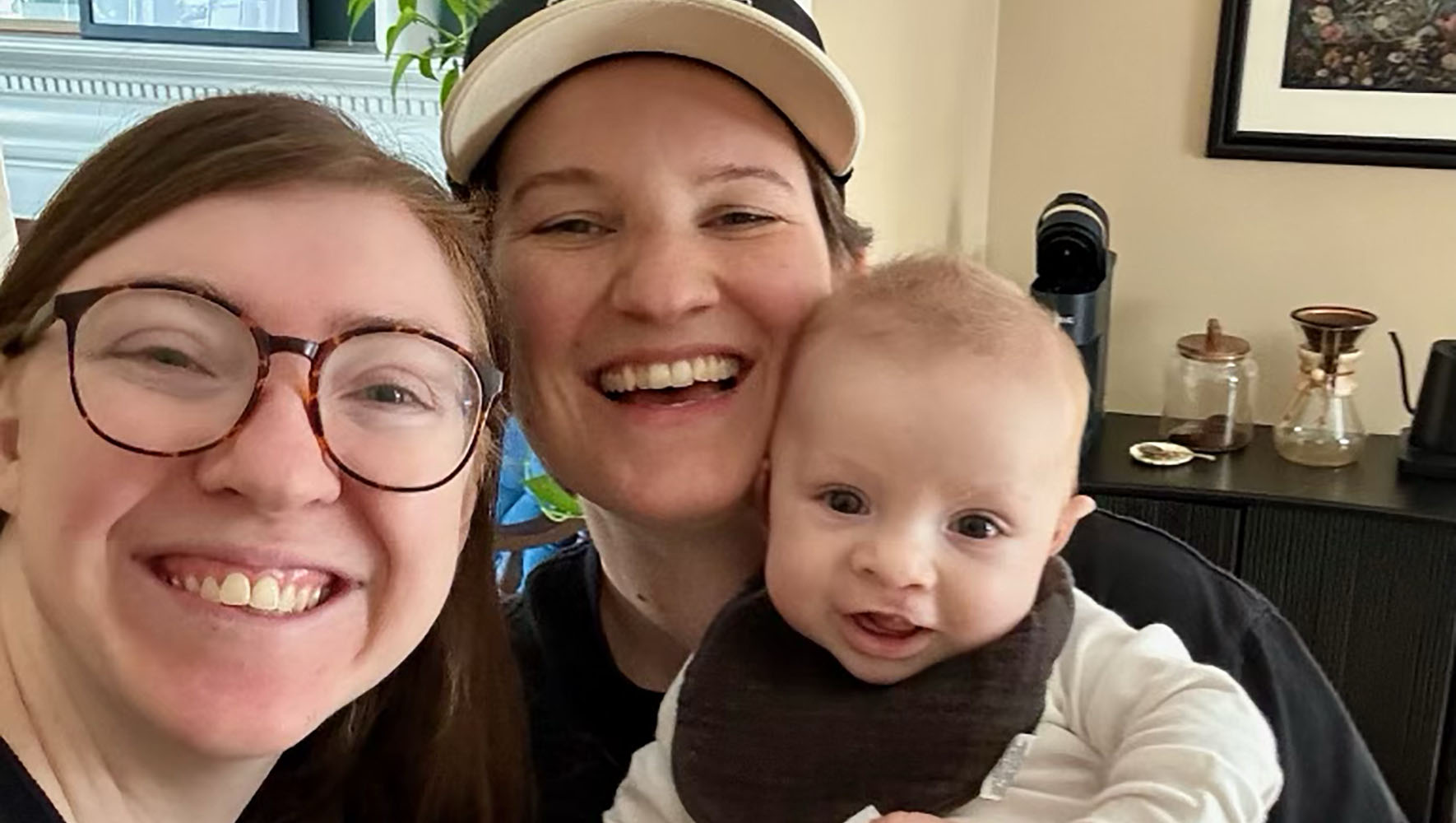
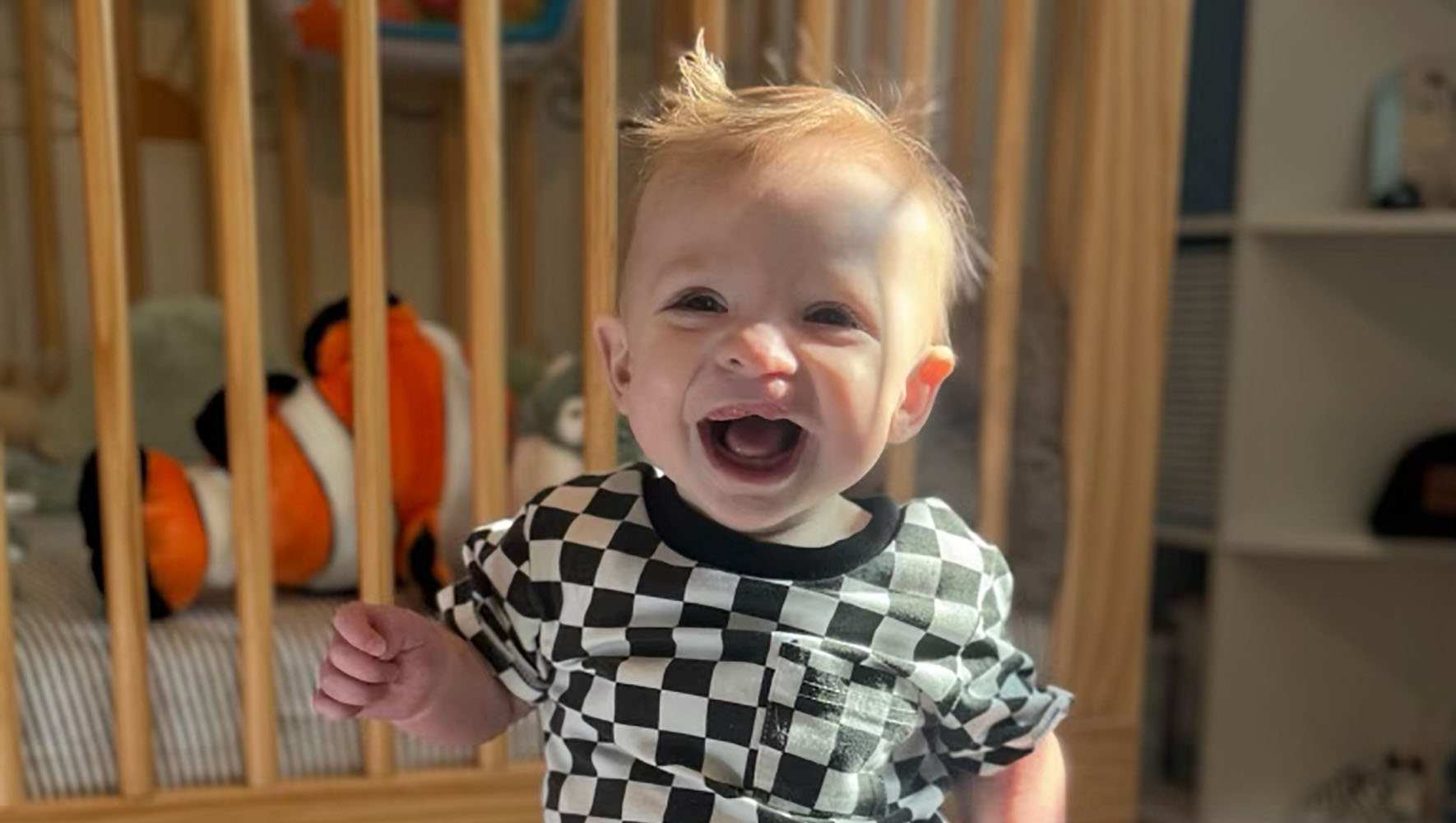
Today, Tatum is a joyful, active baby who loves to smile, laugh, climb and explore. His cleft is an important part of his story, but it is only one part.

“Cleft is part of him,” his moms say. “It does not define him.”
 

Cleft and lip palate newborn baby

Diagnosed With a Cleft Lip or Palate During Pregnancy?

Learn what to expect next, including how to prepare for feeding, surgery and your baby’s care before and after birth.

Read: Cleft Lip or Palate Diagnosed During Pregnancy: What Parents Should Know →