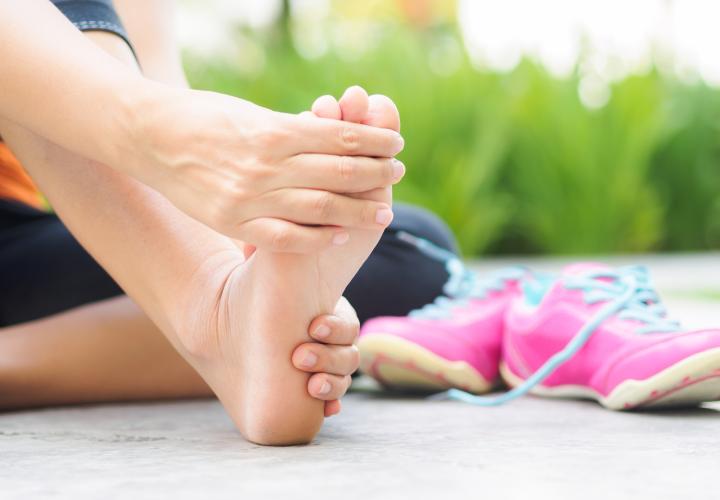
If your child has started complaining of heel pain—especially after sports—there’s probably a good reason.
One of the most common causes of heel pain in growing kids is Sever’s disease, also called calcaneal apophysitis. It may sound scary, but it’s temporary and treatable—and eventually improves as kids grow.
Here’s what to about Sever’s disease, how to help at home, and when it’s time to see a doctor.
What Is Sever’s Disease?
Sever’s disease is not really a “disease,” but rather irritation or inflammation of the growth plate in the heel (called the calcaneal apophysis).
Growth plates are soft areas of growing tissue at the ends of bones—and in the heel, that tissue can become sore or inflamed when it’s under stress.
Sever’s happens mostly in active kids between ages 9 and 12, especially those involved in sports that include running and jumping like soccer, basketball, baseball, or gymnastics. It can also happen a little earlier in girls and a little later in boys, depending on how fast a child grows.
What are the signs of Sever’s disease in young athletes?
Heel pain during or after activity
Pain when wearing shoes that lack cushioning (like soccer cleats)
Pain that’s worse on hard surfaces like turf or basketball courts
The good news: Sever’s disease is temporary. It typically resolves once the heel growth plate closes—usually between ages 12 and 15. Most kids recover fully with time, rest, and simple care at home.
The heel growth plate is under a lot of pressure during growth spurts. The Achilles tendon pulls on it from above, and running or jumping puts impact on it from below. When kids grow quickly, tight calf muscles and rapid increases in activity can add even more strain.
Common triggers include:
Overuse or overtraining
Sudden increases in training intensity or volume
Year-round participation in one sport
Not warming up or stretching regularly
Tight calf or Achilles muscles
Hard playing surfaces or thin-soled shoes
Parents might first notice symptoms when sports seasons ramp up—like the start of soccer or basketball after a break.
The heel growth plate is under a lot of pressure during growth spurts.. When kids grow quickly, tight calf muscles and rapid increases in activity can add even more strain.
Anthony Pastore, MS, PA-C,
Pediatric Orthopedics Expert
Can Home Remedies Help Sever's Diseae?
Yes. Many kids with Sever’s disease can manage their pain with simple home remedies and changes to their activity.
Here’s what can help most:
Change up the Activity Encourage your child to rest from activities that worsen heel pain or reduce how often and how intensely they play. Cross-training with low-impact activities—like biking or swimming—keeps them active without stressing the heel.
Ice and Anti-Inflammatory Medication Ice: Apply for 20 minutes on, 20 minutes off after activity or at the end of the day. Use a towel between the skin and ice pack, and never sleep with ice on. NSAIDs (like ibuprofen or naproxen): Can help reduce inflammation and pain. Always use age- and weight-appropriate dosing every 6–8 hours as directed by your pediatrician. Avoid giving pain medicine before activity to “push through” pain.
Gel Heel Cups or Cushioned Inserts These are available online or in most sporting goods stores. They absorb impact and give a small heel lift that reduces pulling from the Achilles tendon. Your child can wear them in everyday shoes or sports cleats.
Stretching and Warm-Ups A proper warm-up and cool-down routine can help prevent flare-ups.
Warm-up: Gentle dynamic stretches and light activity before practice.
Cool-down: Light walking or jogging after sports, followed by calf and hamstring stretches.
Supportive Footwear Shoes matter! Choose athletic shoes designed for your child’s sport, with good cushioning and arch support. Avoid crocs, slides, or worn-out sneakers during sports or daily wear.
Consistency is Key Once you find a routine that works—stick with it. Consistency helps prevent flare-ups and keeps kids in the game.
Want more articles like this from pediatric experts you trust?
While most kids recover with home care, some may need a doctor’s evaluation—especially if pain persists or worsens.
Call a pediatric orthopedic specialist if your child has:
Heel pain that doesn’t improve with rest and home treatment
Persistent limping or trouble walking
Heel pain that you think is unrelated to activity
Swelling, redness, or warmth around the heel
Pain that wakes your child at night
Heel pain with fever
A doctor can confirm the diagnosis, rule out other issues (like fractures or infections), and guide next steps.
In some cases, your child’s medical team may:
Offer reassurance and help with an activity plan
Prescribe physical therapy for stretching and strengthening
Recommend X-rays or lab tests if symptoms are unusual or not improving
Bottom Line for Parents Sever’s disease is a common and temporary cause of heel pain in kids, especially those who play sports during growth spurts. Most children recover with simple home care, rest, and supportive footwear. The goal isn’t to sideline your child—it’s to find the right balance so they can stay active and heal at the same time. If pain lasts or interferes with daily life, a doctor can help create a plan to get them safely back in the game.
Sever's Disease FAQs for Parents
Yes. Sever’s disease is a self-limiting condition, which means it goes away on its own as the growth plate closes—usually between ages 12 and 15.
If pain is mild and your child can walk normally, they can often continue to play with modifications—like shorter practices or skipping drills that cause pain. If pain causes limping or limits movement, rest is best.
Every child is different. Initial pain can last weeks to months, depending on severity and how long symptoms were ignored before treatment.
Keep activity levels realistic during growth spurts.
Make sure kids wear well-cushioned shoes and replace worn-out ones.
Encourage warm-ups and calf stretches before and after sports.
Build in rest periods between seasons to avoid overuse.
There’s no instant fix—but the best results come from:
Resting and modifying activity.
Icing and using heel cups regularly.
Stretching the calves and Achilles daily.
With consistent care, most kids recover fully and return to sports without long-term problems.