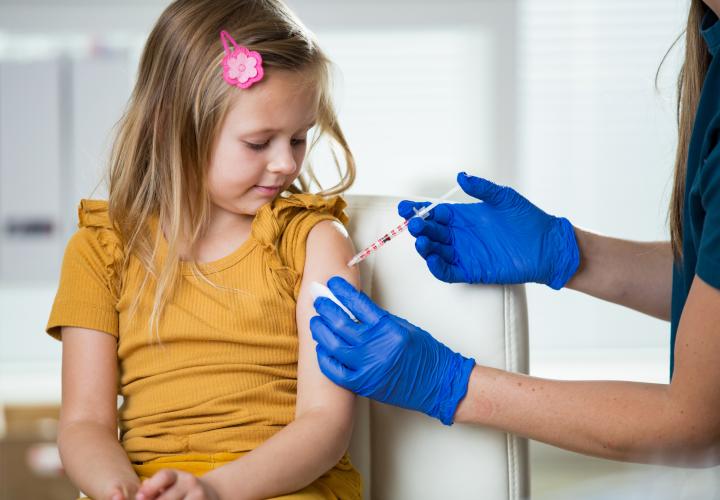
Many of us today have never dealt with some infectious diseases like measles or polio in real life.

These terrible illnesses were once common in childhood and caused much suffering. Today, most families are very fortunate that they don’t encounter them at all. That’s not because the diseases disappeared on their own, or because children are “more resilient.”

It’s because immunizations and other prevention efforts have kept them from spreading.

When prevention works well, it can be easy to forget what it’s protecting us from.
 

How Immunizations Made Some Childhood Diseases Rare

Immunizations are an important reason why many serious childhood diseases became uncommon, or even disappeared completely, in the United States. Smallpox was totally eradicated throughout the world through a highly effective vaccine.

When a large majority of children are protected through immunizations, viruses and bacteria have fewer chances to spread. Fewer children get sick and hospitalized. Over time, diseases that were once familiar become rare.

But rarity doesn’t happen by accident. It’s something that has to be carefully maintained, or else diseases can reappear.

Why Not Seeing a Disease Doesn’t Mean It’s Gone

If I’ve never seen this illness, how big of a concern is it really? That’s a valid question.

Many vaccine-preventable infections:

  • Still exist in other parts of the world
  • Can be brought back through travel
  • Circulate in the United States at low levels without people knowing
  • Spread quickly and cause disease when protection drops

In today’s connected world, diseases don’t stay in one place. Even when a disease is rare locally, it can return if conditions, decisions and behaviors allow it to spread again.

Rarity depends on ongoing protection — not just past success.

Want more articles like this from pediatric experts you trust?

Sign up for our newsletter.

What Happens When Protection Declines

When fewer people are protected, diseases that were once rare can come back. This doesn’t always happen immediately, but history shows a clear pattern.

The first children affected are often:

  • Babies who are too young for vaccines or to fight infections effectively
  • Kids with medical conditions that weaken their immune systems
  • Kids who rely on others for protection

We’ve seen this pattern before with illnesses like measles, polio, rubella, and whooping cough. Each became rare because of immunization. Each has resurfaced in places where protection levels dropped, and caused severe disease and even death. The cycle continues. 
 

Why Modern Hospitals Can’t Fully Replace Prevention

Treatment helps children after they become sick. Prevention helps stop illness before it starts. For kids especially, avoiding harm is always better than trying to fix it later.

Some infections can lead to complications like breathing problems, neurological injury, or hearing loss. Even with excellent care 100% dedicated to kids, not all of these complications can be prevented or fully reversed. Preventing illness in the first place helps avoid risks for disease.
 

quote icon

In today’s connected world, diseases don’t stay in one place. Even when a disease is rare locally, it can return if conditions, decisions and behaviors allow it to spread again.

Ian C. Michelow, MD, Infectious Diseases,
Connecticut Children's

How Pediatric Clinical Experts Think About Risk

Pediatricians and pediatric specialists base their clinical decisions on their experience. They also look at decades of research and real-world data that show what happens when prevention is strong — and what happens when it weakens. All vaccines are rigorously tested for safety before they are marketed, and there is exhaustive monitoring after marketing to identify rare complications. 

This approach helps pediatric healthcare professionals to defend children against severe vaccine-preventable diseases:

  • Protect children before they are exposed to serious illness
  • Look out for children who are medically vulnerable
  • Keep rare diseases rare

It’s about caring for each child while recognizing that sharing germs is all part of growing up. To protect one child, we have to protect all children.
 

What This Means for Your Family

Parents want to make thoughtful decisions and keep their children healthy. Understanding how prevention works can help explain why some diseases feel like a thing of the past — and why continued protection still matters.

If you have questions about immunization, disease prevention, or your child’s individual needs, your pediatrician is a trusted partner in that conversation. Open discussions help families make informed choices with confidence.

Additional Educational Resource:
Vaccines Did Not Cause Rachel’s Autism – Peter J. Hotez, MD, PhD