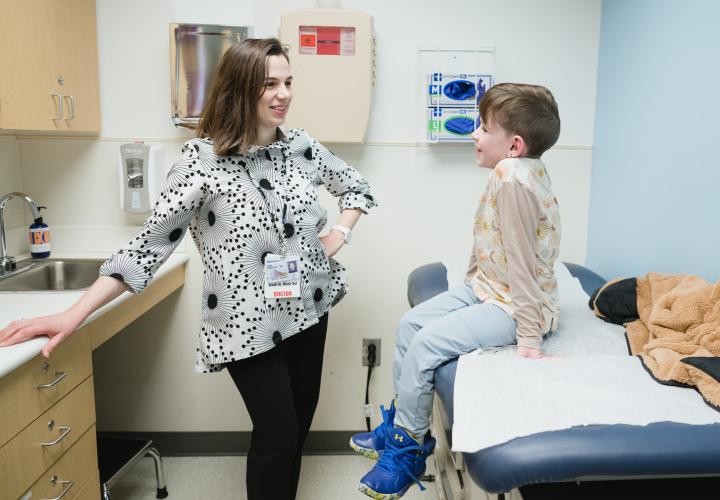
When most people hear “plastic surgery,” they think of cosmetic procedures or enhancements. But in the world of kids, plastic surgery is very different.
Pediatric plastic and craniofacial surgeons focus on reconstructive care—helping children with conditions that affect how they look, function, or heal.
Here are some of the most frequent reasons a child might see a pediatric plastic or craniofacial specialist. Hint: many are for common, treatable conditions.
1. Congenital Differences (Present at Birth)
Some children are born with differences in how parts of their body develop. Pediatric plastic and craniofacial teams specialize in treating these conditions over time. Common examples include:
Cleft lip and palate—sometimes detected during pregnancy
Ear shape concerns, including conditions treated with newborn ear molding
If your child has a congenital condition, they’ll have a team of experts behind them, always coordinating their care. Together, our pediatric specialists focus on both function and appearance as your child grows and develops.
2. Injuries and Trauma
Active kids are more prone to accidents, and plastic surgeons often play an important role in treating injuries—especially those involving the face.
This can include:
Facial lacerations (cuts that may need careful repair)
Facial fractures, including injuries to the nose, cheek bones, or orbits
Burns
The goal is not only to treat the injury, but to expedite healing, lessen scarring, and improve long-term function.
>>If your child has been injured or has been referred for evaluation, our pediatric plastic surgery team can help you understand the next steps.
It’s important to know that a [plastic surgery] consultation doesn’t always mean [your child will need] surgery—it’s a chance to understand your options and make the best decision for your child.
Melissa M. Condren, Nurse Practitioner, Plastic Surgery ,
Connecticut Children's
3. Nasal and Breathing Concerns
Some children are referred for concerns related to the structure of the nose, especially when it affects breathing.
These issues may develop after injury or as a child grows, and evaluation helps determine whether treatment is needed now or later.
4. Masses, Skin Lesions and Growths
It’s common for children to develop:
Skin lesions
Cysts or lumps
Birthmarks or moles
While many are harmless, some may need to be removed due to growth, location, or irritation. A pediatric plastic surgeon can guide whether observation or treatment is the best approach—and how to do so with the best cosmetic outcome.
5. Scar Management and Keloids
Some children develop noticeable or bothersome scars over time.
• Keloids (raised scars that grow beyond the original injury which could be acne, piercings, surgery or cuts) • Hypertrophic scars (thick, raised scars) • Widened scars • Scars that tighten the skin and affect movement
Plastic surgeons offer a range of treatments to improve both the appearance and flexibility of skin affected by scars over time.
Want more articles like this from pediatric experts you trust?
As children grow into adolescence, some may develop conditions that affect the chest or breast tissue.
These can include:
Breast asymmetry
Macromastia, or enlarged breasts in proportion to overall body size
Gynecomastia, or enlarged breast tissue in boys
Even though chest and breast tissue conditions are often not medically urgent, they can impact a teen’s comfort and confidence. That is why a dedicated pediatric plastic surgery team takes a holistic approach to each individual child.
Your pediatrician might refer you to a pediatric plastic surgeon if:
A condition needs further evaluation
Timing of treatment is important
A specialist’s expertise can help guide next steps
It’s important to know that a consultation doesn’t always mean surgery—it’s a chance to understand your options and make the best decision for your child.
Connecticut Children's is Here to Help!
Being referred to a pediatric plastic or craniofacial surgeon can feel unexpected, but it’s a common step for many families. These specialists are trained not just in surgery, but in caring for children—taking time to explain, reassure, and guide you through every step.
Not sure if your child needs to be seen?
A visit with Connecticut Children's pediatric plastic surgery team can help you understand what’s going on—and whether your child needs treatment.