
Service/Program
Transitional Therapy This specialized service is perfect for competitive and recreational athletes of all ages who want to excel their sports performance and reduce their risk of injury with evidence-based exercise programs. We offer professional guidance through continued rehabilitation and training Burn Clinical Pathway Connecticut Children’s cares for patients with mild to moderately burns. Burn injury can vary in severity from superficial to partial thickness to full thickness. Connecticut Children’s has not had a standardized approach to care for these children in the past. A standardized
Posterior Spinal Fusion for Adolescent Idiopathic Scoliosis Clinical Pathway Posterior spinal fusion for adolescent idiopathic scoliosis is associated with significant pain and prolonged hospitalization. Standardizing care for posterior spinal fusion can allow early mobilization, decreased LOS, and minimize opioid related side effects. We also wish to
Article
Pediatric Asthma Management Programs Enhance Quality of Care By Jessica Hollenbach, PhD: By: Jessica Hollenbach, PhD Asthma affects more than 8% of youth in the United States making it one of the most prevalent chronic illnesses affecting young people, and it disproportionately affects children living in underserved communities. The complexity of current guidelines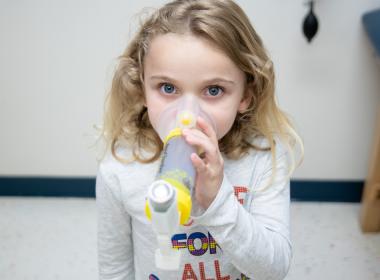
Service/Program
Center for Rare Bone Disorders Connecticut Children’s Center for Rare Bone Disorders specializes in treating and finding causes of rare bone diseases. The center is headed by globally recognized endocrinologist and researcher Emily Germain-Lee, MD, who is actively developing new therapies to treat these Article
7 Ways to Reduce Screen Time By Robert D. Keder, MD: Have you wondered if your child is spending too much time in front of screens? The American Academy of Pediatrics and the World Health Organization recommend the following: No screen time at all for kids under 2 except for video chatting One hour of screen time a day for kids 2
Article
Healthcare Transformation: Addressing a Triple Crisis By Paul Dworkin, MD: By: Paul Dworkin, MD The call to transform our healthcare system by focusing on children first is nothing new. However, it is critical now more than ever to move forward with such an agenda. COVID-19, racial injustice and ongoing economic challenges present a triple crisis that
Fetal Care Center Treatments and Services At Connecticut Children’s Fetal Care Center, our team of experts is committed to bringing you and your family the comfort and confidence needed to get through your journey during and after pregnancy. We develop customized care for you and your baby that may require one or more of
Article
Does My Child Have Nasal Allergies? All About Allergic Rhinitis By Amy Hughes, MD: Nasal allergies are one of the most common conditions in kids today. Inflammation of the nasal passage occurs when a child inhales something they are allergic to, like animal dander or pollen. Nasal allergies also called “allergic rhinitis” or “hay fever,” but neither hay nor
Article
When Should My Child See a Pediatric Cardiologist? By Raymond P. Lorenzoni, III, MD: As a parent, hearing your child may have a heart problem can be alarming. While many heart murmurs and irregularities are not cause for concern, some symptoms or conditions may require your child to be under the care of a pediatric heart team. A pediatric cardiologist is a doctor
Referrals Find resources for referring patients to Connecticut Children's, including access to EpicCare Link, directions to submit an online referral form, and contact information for our OneCall physician access line.
Tonsillectomy and Adenoidectomy: Perioperative Care Clinical Pathway Tonsillectomy and adenoidectomy is a common procedure with greater than 500,000 performed annually in the United States. However, there is variability in peri-operative and post-operative care for these patients. This can lead to confusion and dissatisfaction for patients
Esophageal Button Battery Management Clinical Pathway In the US, approximately 3,500 children are treated annually in emergency departments for button battery ingestion. Button batteries that are lodged in the esophagus have the potential to cause catastrophic thermal injuries. Quick recognition and removal of the battery leads to
Hemangioma Management Clinical Pathway Infantile hemangiomas are common benign tumors that can cause significant complications such as permanent disfigurement, ulceration, bleeding, visual compromise, airway obstruction, and congestive heart failure. They affect up to 2-5% of all infants and up to 30% of premature
Ovarian Torsion Clinical Pathway Ovarian torsion is the complete or partial rotation of the ovary on its pedicle, leading to ischemia and potential loss of the ovary. Early diagnosis can be challenging as ovarian torsion accounts for only 3% of acute abdominal pain in females, and can mimic other more common