
Sports Medicine Research Sports Medicine specialists pursue research in the incidence, prevention and recovery of athletic injuries. Preventive sports medicine is a relatively new area of health care and we are committed to expanding the field through laboratory, clinical and epidemiological studies. In
Condition
Fetal Alloimmunization Fetal alloimmunization, previously referred to as isoimmunization, occurs when a pregnant person’s immune system produces antibodies against fetal red blood cell antigens which can attack and destroy the fetal red blood cells (hemolytic anemia). Background Every individual has Peripheral Venous Access Clinical Pathway Peripheral venous access is a frequently performed procedure, and the most common source of pain, for children in the hospital. Pain control is a high priority for patients and families and pain experiences can have long term effects on children. The use of topical anesthetics
Hospital Medicine Programs & Services A pediatric hospitalist may be thought of as a general pediatrician who works in a hospital and cares for infants, children and teens who have been admitted to Connecticut Children’s in Hartford, Saint Mary’s Hospital in Waterbury, Danbury Hospital and Norwalk Hospital for a
Article
Determinants of X By Scott Orsey: By: Scott Orsey Change is hard, especially where structure creates imbalance in perspectives, power and impact. When years of good intentions yield underwhelming results related to health and well-being outcomes, it is time to question the approach. In this four-part blog series
Article
Beyond Craniosynostosis: Jack’s Story By Jonathan Martin, MD: Katelyn and Eric McGlone had been parents for exactly five weeks and one day when they got the news: Their newborn son, Jack, needed surgery on his skull for a condition called craniosynostosis. They were stunned, and scared. Jack was just so tiny. They were still getting the
What to Expect During an EEG Download PDF version For tips on how to use this picture story, please review our picture story instructions . Welcome! Here we go for an EEG.
Article
Prevention Starts With Connection: Supporting Student Mental Health By Isabella Baldino: Young people between the ages of 10 and 34 are at a heightened risk for suicide , making adolescence and early adulthood a critical time for prevention, early intervention and connection to support. For many students, the college years fall within the late stages of adolescence
Service/Program
Weight Management Psychology Services Connecticut Children’s Pediatric Obesity Center for Treatment, Research and Education provides surgical and non-surgical weight management treatment for children and adolescents. Our behavioral psychologists specialize in helping children and their families change behaviors to Article
The World’s Smallest Mechanical Heart Valve: Ellis’ Story To solve a life-threatening heart defect, Ellis Schwartz-Mosca’s care team at Connecticut Children’s had to think big – by thinking small. On Oct. 27, Connecticut Children’s pediatric cardiac surgeons successfully implanted the world’s tiniest mechanical heart valve into Ellis’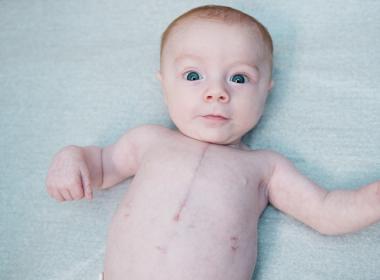
Service/Program
Pediatric Kidney Transplant Program Connecticut Children’s partners with Hartford Hospital to offer one of the leading pediatric kidney transplant programs in the U.S. For over 20 years, our providers have performed successful pediatric kidney transplants with some of the best clinical outcomes in the country. Our Service/Program
Weight Management Programs Our family-based Fit 5 weight management programs are tailored to address the specific needs of families with children of different ages—Fit 5 Tykes (age 3-5), Fit 5 T.E.A.M. Club (age 6-9), and Fit 5 Teens and Tweens (age 10-12 and 13-18). We also provide individualized Universal Congenital Cytomegalovirus Newborn Screening Clinical Pathway Congenital CMV (cCMV) occurs in 0.4-2% of live births and is the leading cause of congenital infections worldwide. 1,2 Connecticut is estimated to diagnosis up to 175 cases per year within our state if all infants are screened at birth. cCMV is the leading cause of non-genetic
Septic Shock Clinical Pathway Sepsis is a leading cause of death among children. Survivors of sepsis may have long term sequelae. The World Health Organization calls for improvement in prevention, diagnosis, and management of sepsis. In 2024, the Society of Critical Care Medicine (SCCM) compiled new criteria