
Neurosurgery Programs & Services Conditions & Treatments Our pediatric neurosurgeons specialize in the diagnosis and treatment of brain and spinal cord tumors, craniofacial disorders, cerebral palsy and spasticity, Chiari malformation, hydrocephalus, spinal cord malformations, spinal deformity, vascular

Constipation Clinical Pathway Constipation is a common pediatric diagnosis with wide variation in evaluation and treatment in the acute care setting. This pathway seeks to standardize the diagnosis, evaluation, treatment, and disposition of patients diagnosed with constipation. This pathway utilizes the Rome
Occupational Therapy Programs & Services Occupational therapy can have an enormous impact on a child’s independence. Connecticut Children’s offers a range of therapeutic services to help children participate in normal activities, engage in play and sports, and ably return to home or school. What We Do Aquatic therapy
Article
Beyond Celiac Disease: William’s Story By Jeffrey Hyams, MD: William had just gotten home from school when his dad, Matt, sat him down. “Your doctor thinks you might have something called celiac disease,” Matt told him. William, then 14, was skeptical. Didn’t celiac disease have something to do with eating gluten? He ate everything and, as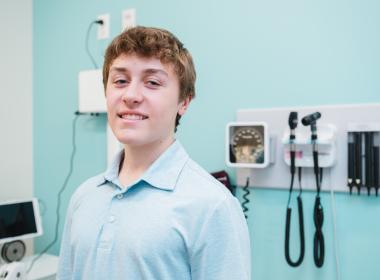
Care Alliances As the state’s only health system 100% dedicated to kids, Connecticut Children’s has a special role in our community’s health. We know just how important high quality pediatric care is for your child – and for the health of our entire community. Through our Pediatric Care

Article
A Visit to the Pediatric Neurosurgeon: What to Expect By Bethany Simonetti MSN, APRN, FNP-BC: If your child has been referred to a pediatric neurosurgeon, you may be feeling nervous or unsure about what to expect. That is totally normal. The idea of seeing a “ brain and spine doctor” can feel scary. But this visit doesn’t always mean your child will need surgery. It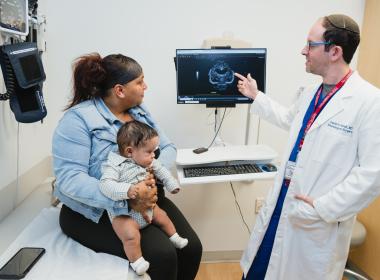
Article
How to Support Your Child Through Challenging Behaviors (From Birth to Pre-Teen) By Amy Adolfo Signore, PhD, MPH: This guide from Connecticut Children’s Amy Signore, pediatric psychologist, and Sasha Conley, PsyD student, breaks down easy, effective ways to help your child grow, listen, and feel loved—whether they’re a baby or a pre-teen.
Article
Should Parents Be Worried About the Recent Increase in COVID-19 Cases in Kids? By Juan C. Salazar, MD, MPH, FAAP: The American Academy of Pediatrics recently reported a significant increase in COVID-19 infections in children across the country. The overall infection rate among kids is still relatively low. But we know that this news has raised questions – and concerns – for families Article
What Are the New COVID-19 Variants, and Do They Infect Kids More Easily? By Juan C. Salazar, MD, MPH, FAAP: In addition to all the news about the COVID-19 vaccine , you’ve probably been hearing a lot about new variants of COVID-19 . Connecticut Children’s Physician-in-Chief Juan Salazar, MD, MPH, shares what we know so far. What does it mean when there’s a new “variant” of COVID-19? A Article
First in the World: Haresh’s Story Haresh Surti may be young at heart, but at 62 years old, he is no kid. So at first, it might seem unusual that he receives heart care at Connecticut Children’s – known far and wide as the state’s only health system 100% dedicated to children. The truth is, lots of adults receive