
Your Visit or Stay At Connecticut Children’s, providing care beyond imagination begins before families even enter one of our doors. Get acquainted with us and know what to expect before and after you arrive. Have an Appointment or Stay? Here's What to Bring: Form of ID such as a valid driver's
Article
What to Expect at Your Child’s First Pediatric Plastic Surgery Visit By Melissa M. Condren, DNP, APRN, CPNP-PC: If your child has been referred to pediatric plastic surgery, or if you're thinking of an evaluation, it’s completely normal to have questions. In most cases, a first visit to Connecticut Children’s is focused on evaluation and discussing management options. Many kids do not need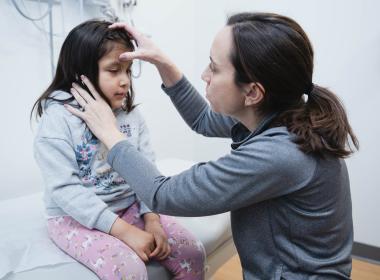
Publications Connecticut Children's publishes a variety of reports, including the Community Health Needs Assessment, Community Benefit Report, Pediatric Nursing Annual Report, and Department of Pediatrics and Surgical Specialties Annual Report.
Advocacy Connecticut Children’s is often called upon by policy makers to act as an expert resource on health care issues that affect children. Too often, kids do not have a voice in the decisions that affect them and their families. Connecticut Children’s advocacy efforts are aimed at
Location
Connecticut Children’s Specialists at Specialty Surgical Center in Stamford Pediatric Surgery Closer to Home Performing outpatient pediatric surgical procedures is our specialty. Taking the stress out of the experience for you and your family is our mission. Surgical Excellence and Innovation From pre-op to post-op and everything in between, the team is Service/Program
Connecticut Newborn Screening Network A simple blood test can detect more than 60 rare genetic conditions in newborns. If left untreated, these disorders can lead to illness, physical disability, developmental delay, or even death. Nurses perform a heel stick on every newborn in Connecticut to collect a few drops of Article
Scoliosis in Kids Mythbusters: What Parents Need to Know By John Stelzer, MD: If your child’s school nurse or doctor mentioned scoliosis, it can feel scary. Many parents worry they missed something or did something wrong. The truth is, most worries about scoliosis in kids are based on myths. John Stelzer, MD, pediatric orthopedic & spine surgeon, clears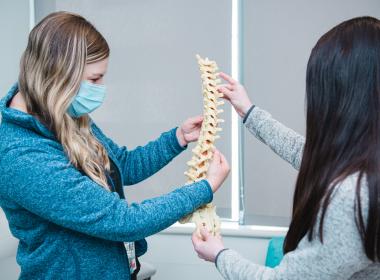
Prepare for Surgery Connecticut Children’s provides an array of pediatric surgical services, from routine procedures to complex surgeries. Our board certified pediatric surgeons have advanced training, and the patient and family surgical experience at the Connecticut Children’s is specially designed
Specialty
Pediatric Surgery Surgery can be a stressful time for children and families. At Connecticut Children’s, our board-certified pediatric surgeons provide expert, compassionate care for patients of all ages — from prenatal and neonatal surgeries to procedures for adolescents. Whether your child needs Healthy Child Content Hub Turn to our pediatric experts for trusted information dedicated to nurturing the wellbeing of your family. Here, we offer a curated selection of blogs, resources, and supportive kits that speak to all life's ages and stages.
Location
Connecticut Children’s Specialty Care Center – South Hadley Connecticut Children’s Specialty Care Center in South Hadley is conveniently located in western Massachusetts for children and families in need of specialized pediatric health care for a range of conditions. Getting Here Connecticut Children’s Specialty Care Center in South Doctor
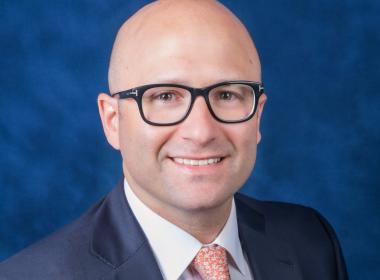
Christopher D. Hughes MD, MPH Division Head, Plastic Surgery & Craniofacial Team
- Specialties
- Plastic Surgery
- Craniofacial Team
Suspected Physical Abuse (SPA) Clinical Pathway In 2013 there were close to 70,000 substantiated cases of child abuse and neglect in the United States. Child maltreatment is a significant medical problem. Cases of suspected physical abuse frequently present to the emergency department. It has been noted that there is variation
Intestinal Failure and Central Venous Catheter (CVC) Patient with Fever Clinical Pathway Patients with Intestinal Failure (IF) often require central venous catheter (CVCs) for extended periods of time used for administration of parenteral nutrition (PN), which is required to maintain adequate growth and hydration. This puts them at a risk of recurrent central-line