
Why Choose Connecticut Children's for Intestinal Rehabilitation?
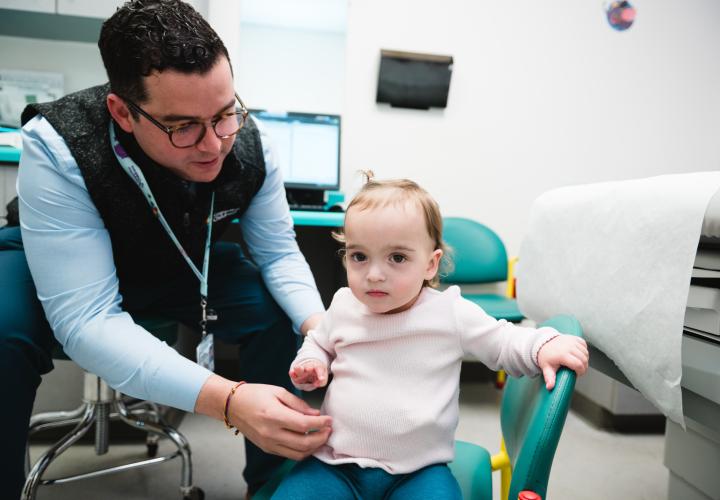
At Connecticut Children’s, we provide evidenced based multidisciplinary care that includes team members from Medicine, Surgery, Nutrition, Nursing, Psychology and Social Work Services. Our team actively pursues research opportunities to advance therapies and quality of life for patients with Intestinal Failure. We focus on delivering exceptional patient and family centered care that is close to home; We are proud to have extensive care coordination provided by experienced nurses and dietitians, both inpatient and outpatient.
What Causes Intestinal Failure?
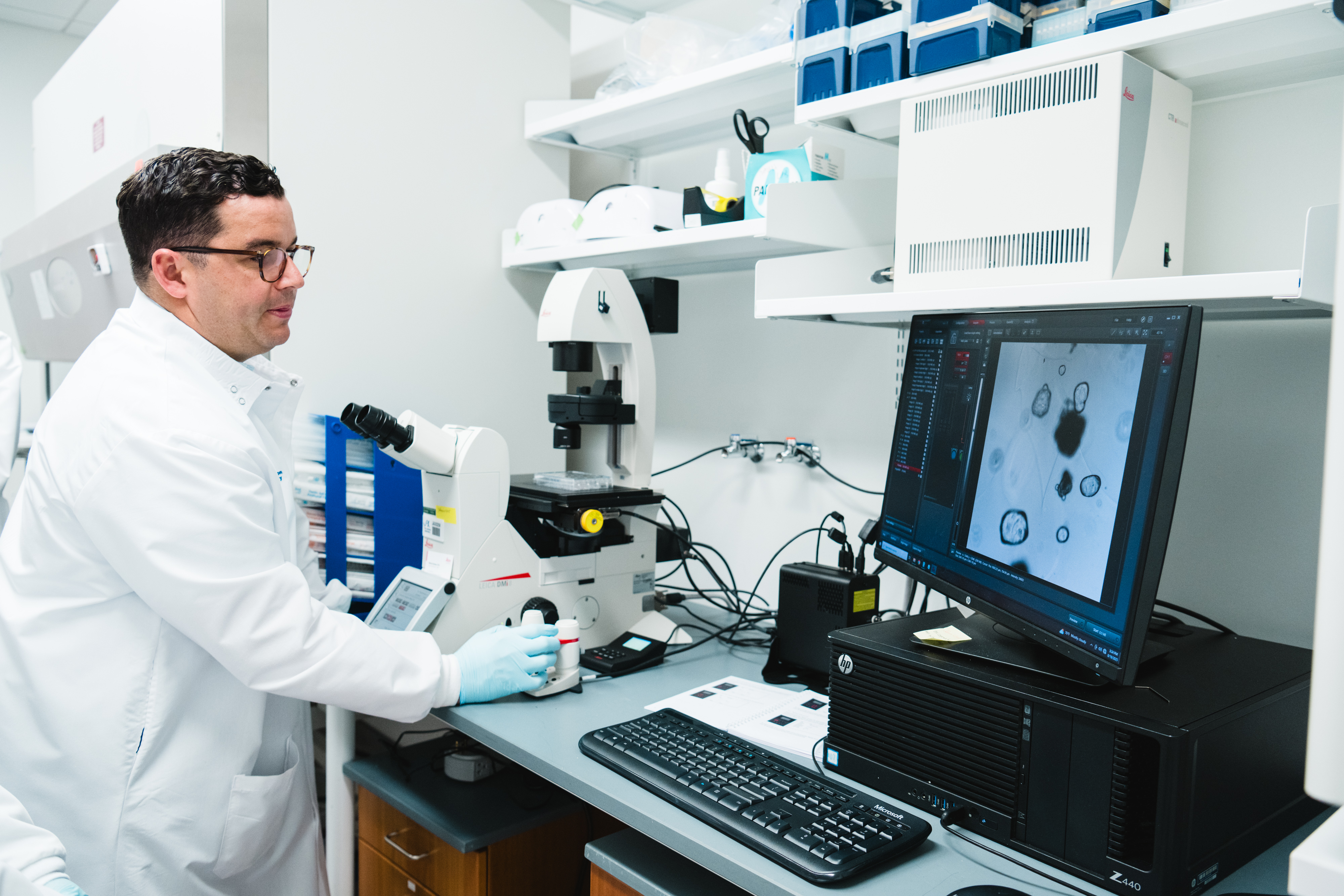
Intestinal failure (IF) in children occurs when the intestines cannot digest and absorb enough nutrients, fluids, and electrolytes to support normal growth, development and health. Intestinal failure can be caused by many different medical conditions. The most common cause of intestinal failure is a condition called Short Bowel Syndrome (SBS). This occurs when we need to surgically remove important portions of the intestine resulting in a much shorter bowel. Other causes of intestinal failure include conditions that affect the nervous system of the gastrointestinal tract or motility disorders, where the intestine is present but does not move food properly. As a result of many of these conditions, the child often depends on intravenous nutrition (parenteral nutrition) for some extended period of time.
What is Short Bowel Syndrome?
When children develop Short Bowel Syndrome, the remaining intestine naturally starts to adapt in many different ways. The process of Intestinal Rehabilitation is a process during which we stimulate the intestine to grow, adapt, and become more efficient. We do this through nutritional, medical, and surgical therapies. Some children who develop intestinal failure will often need different forms of nutrition support including tube feeds and IV nutrition or Parenteral Nutrition.
We know that the process of intestinal rehabilitation can be a long and hard journey. While we often meet you while you are in the hospital, we will continue to partner with you through the process of intestinal rehabilitation at home. This will be achieved by working with our team during follow-up appointments in our clinic. Our expert medical team has decades of experience managing intestinal rehabilitation and IV nutrition, and we look forward to working with you and your child.
What to Expect
On the day of your visit, you will meet a multi-disciplinary team led by one of our Pediatric Gastroenterologists. Other key members of your care team include our registered dietician specialized in the management of parenteral (IV) nutrition and intestinal rehabilitation as well as our GI nurse with additional expertise in the management of enteral (feeding) tubes. Additional members include colleagues from Surgery, GI Psychology, Motility & Neurogastroenterology, and social work depending on your child’s specific needs.
Whether it is your first visit in our program or a routine check-up, we want to hear it all. We are with you every step of the way. We often talk about specific symptoms related to intestinal rehabilitation and spend a great deal of time focusing in the nutritional management of this condition. Our goal is always to move towards enteral autonomy and limited need for parenteral (IV) nutrition.
After your visit we ensure that you have a paper copy of our plan to maximize your ability to care for your child.
Symptoms
Symptoms associated with intestinal rehabilitation vary a lot depending on the type of surgery your child had. The most common symptoms we manage include are nausea, vomiting, abdominal distention and pain, small intestine bacterial overgrowth, and diarrhea. With our multi-disciplinary team, however, we are ready to manage these symptoms and provide excellent care to you and your child.
What are the goals of Treatment?
Our goal is to help your child reach their growth and developmental potential. Our team will work with you and your child to manage stool output, optimize hydration and help prevent or manage nutrient deficiencies which can happen easily in kids with intestinal failure. We will often consult with feeding and swallowing specialists to assist with developing your child’s oral intake often in conjunction with our Registered Dietitians who will help manage all nutrition support.

Leading The Way
Our team is actively involved in many research projects including examining new treatment strategies, optimal nutritional interventions, and early detection of complications associated with intestinal failure and rehabilitation. We partner with institutions around the country to leverage our shared experience and bring the most evidence-based care to your child.
Frequently Asked Questions
Parenteral nutrition provides nutrition directly into your child’s bloodstream through an IV line called a Central Venous Catheter or CVL, bypassing the stomach and intestines. It contains a carefully balanced mix of fluids, calories (from glucose and fats) protein and vitamins and minerals. PN is infused slowly over many hours using a pump. Blood tests are done regularly to check electrolytes, liver function, and nutrition levels. The CVL site is cared for to prevent infections.
While PN may be the main source of nutrition for your child in the beginning, we also feed the gut through a gastrostomy tube with special liquid formula or human milk to help maximize nutrient absorption. The are often given continuously over a longer period of time, or may be given as a bolus (small volume, but more frequently); G-tube feeds give the stomach and intestines practice working; As your child tolerates more G-tube feeds, PN may be reduced over time.
Each week an infusion nurse from a home infusion company will come to your home and change the sterile dressing and draw labs from the CVL. The dressing that covers the line needs to be changed weekly to prevent infection. Your team at Connecticut Children’s will set up this service for you. Our goal for you as the caregiver, is to become the expert in line care.
Yes. We work very closely with your child to encourage oral intake. Some foods might need to be avoided as certain foods can increase diarrhea or “stool output;” Our Registered Dietitian (RD) will work closely with your family and provide detailed education on the best food choices for people with Intestinal Failure.
This will depend on your child’s anatomy and symptoms. Some medicines that might need to be started include medicines that: reduce reflux, treat small bowel bacterial overgrowth, control diarrhea and help with motility of the GI tract.
Once you go home from the hospital, we ask that you bring your child to our clinic in Hartford each week for the first 4-6 weeks following discharge; Here, our team can monitor growth, hydration, G-tube site, and CVL insertion site to ensure our therapies are working. We also can make adjustments to your child’s g tube feeds and or PN prescription if they are growing and thriving without clinical complications. This is also a time for caregivers to ask questions. After that time period, if your child is doing well, you will bring your child to clinic once per month, and then every 3-4 months or sooner if needed.
Our Team
Your Connecticut Children’s Intestinal Rehabilitation Program Team is comprised of a multidisciplinary team dedicated to partnering with you to provide expert, compassionate, and long-term care to your child. Our team works closely with other members of our hospital including Surgery, Neonatology, Psychology, Speech & Language Pathology, Endocrinology, Radiology and many more.
Karan Emerick, MD
- Specialty
- Gastroenterology

Anna Maria Mennella, LMSW
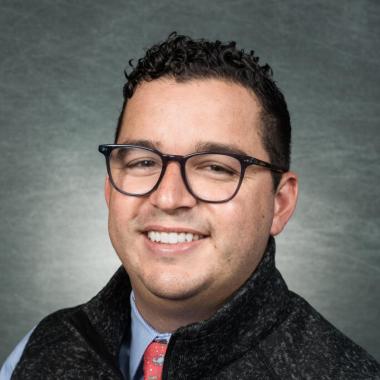
Jonathan Salazar, MD
- Specialty
- Gastroenterology
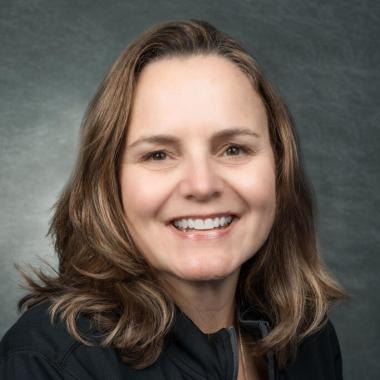
Kate Samela, MS, RD, CSP
- Specialty
- Gastroenterology
- Nutrition
