
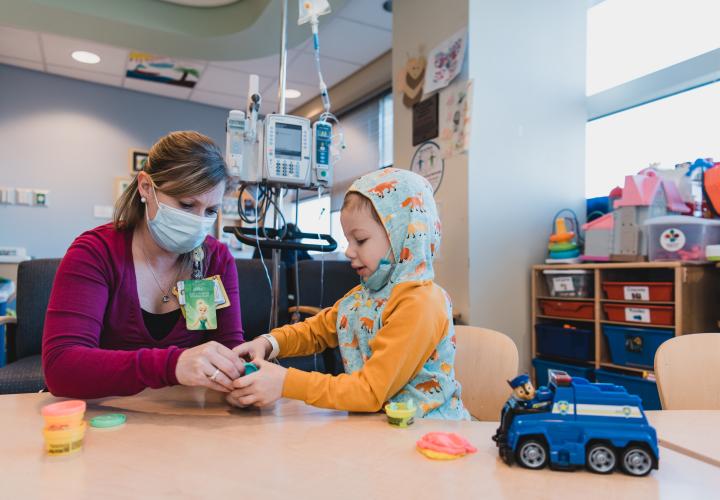
No parent wants to hear that their child may have a bone or soft tissue tumor. At Connecticut Children's, our Sarcoma Program brings together pediatric cancer specialists who diagnose and treat these rare tumors every day.
Children are often referred to our team because bone and soft tissue tumors are rare and require specialized evaluation. From your child's first visit, we'll help you understand the diagnosis, explain your treatment options and support your family every step of the way.
Sarcomas are rare tumors that develop in the bones or soft tissues, such as muscles, fat, nerves, blood vessels or connective tissue. Some tumors are benign (non-cancerous), while others are malignant (cancerous). Our team has experience caring for children with both.
Our team includes:
- Pediatric oncologists and orthopedic oncologists
- Pediatric surgeons
- Radiation oncologists
- Pathology and radiology specialists
- Access to our comprehensive fertility and sexual health team and a adolescent and young adult cancer program.
How We Care For Children With Sarcoma
Every child's diagnosis is unique. Your child's treatment plan depends on the type of tumor, where it's located and whether it has spread.
Our team may work together with you to recommend:
- Surgery
- Chemotherapy
- Radiation therapy
- Clinical trials
- Rehabilitation and supportive care
Throughout treatment, our child life specialists, psychologists, social workers and fertility specialists help support your entire family.
Types of Tumors We Treat
Our multidisciplinary team treats a wide range of tumors, including:
- Bone tumors
- Benign soft tissue tumors
- Soft tissue tumors (soft tissue sarcoma)
- Osteosarcoma
- Ewing sarcoma
- Rhabdomyosarcoma
Throughout treatment, our child life specialists, psychologists, social workers and fertility specialists help support your entire family.
What is the difference between Benign and Malignant Tumors?
Tumors, or neoplasms, are groupings of abnormal cells that cluster together to form a mass or lump. They’re formed when cells divide and grow excessively, and they can be benign (not cancerous) or malignant (cancerous).
Benign tumors are slow-growing, noncancerous, and do not spread to surrounding tissues. They are often diagnosed following a minor trauma, fracture or history of pain. Treatment options vary depending on the size, type and location of the benign bone tumors, but surgery will generally treat these tumors.
A cancerous tumor (malignant neoplasm) can grow unchecked, invade healthy tissue and metastasize (spread to other parts of the body). If it goes untreated and continues to spread, a malignant neoplasm can interfere with organ function and become life-threatening.
Treatment depends on the type of cancer and how far it has progressed. If the cancer is limited to one area and hasn’t spread, the tumor may be removed through surgery. Other common treatments include chemotherapy, which kills cancer cells throughout the body, and radiation therapy, which kills cancer cells in a specific area of the body. Treatment for malignant tumors also includes extensive family and child support from our team at Connecticut Children’s.
Orthopedic Oncology
Some bone and soft tissue tumors need specialized orthopedic surgery. Our orthopedic oncology specialists work with pediatric oncologists, surgeons, radiologists and pathologists to coordinate every aspect of your child's care.
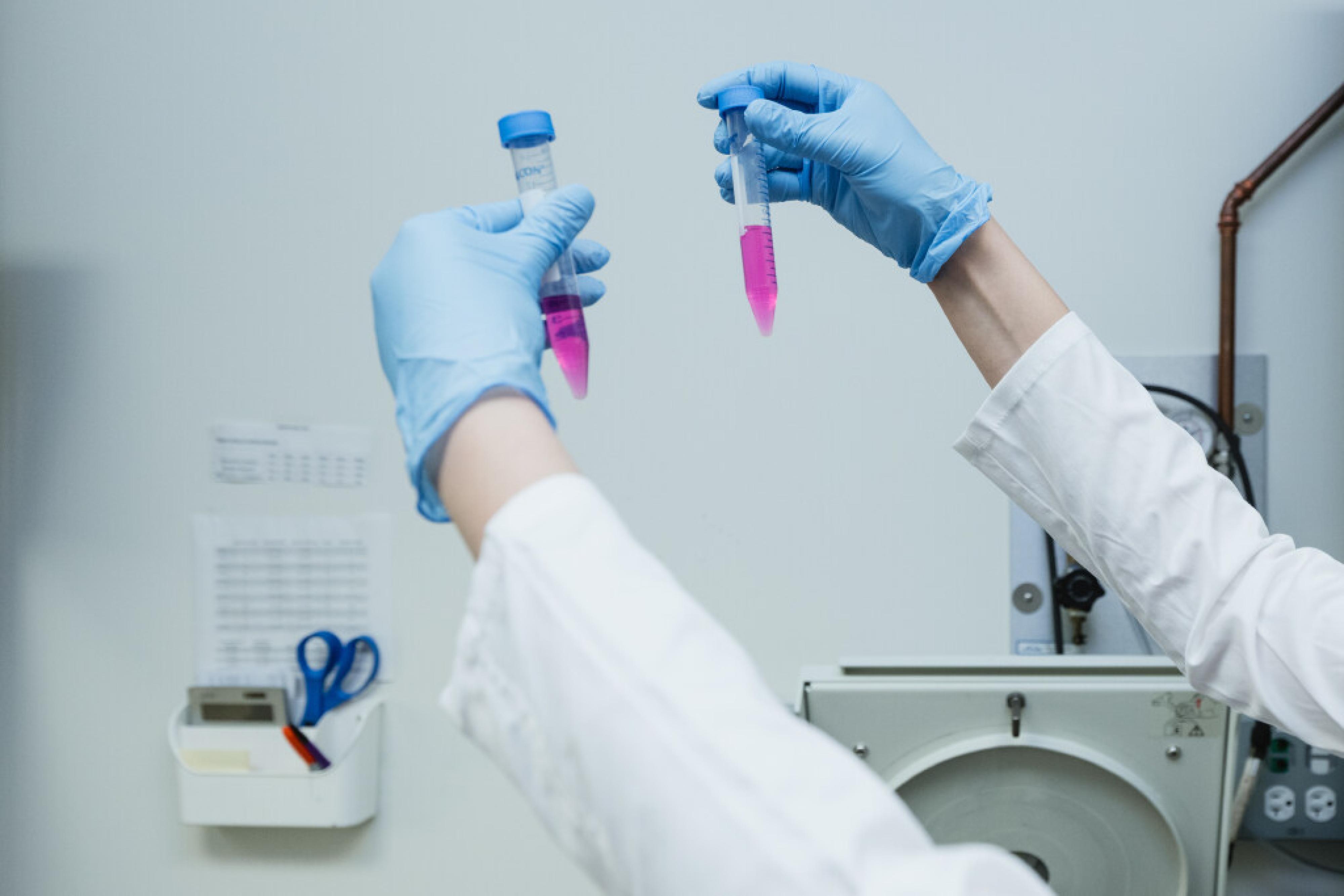
Connecticut Children’s also partners with three research consortia. These partnerships help us to offer pediatric patients the latest innovations in clinical therapy, while also advancing clinical cancer research that benefits children everywhere.