
Sever’s disease—or calcaneal apophysitis—is one of the most common causes of heel pain in children and teens. It is the inflammation of the growth plate in the heel of the foot.
Would you like to schedule an appointment with Orthopedics?
What are the signs and symptoms?
- Heel pain and tenderness
- Mild swelling at the heel
- Pain worsened with activity
- Pain that is worse upon waking up
- Limping or toe walking
What causes Sever’s disease?
- Growth spurts during puberty
- Exacerbated by sports or activities involving a lot of running or jumping
- Pressure on the heel from standing too long (less common)
During growth spurts, the heel bone, Achilles tendon and calf muscles may grow and tighten at different rates, making physically active children more likely to develop heel pain.
Who gets Sever's disease?
This condition most often affects physically active children and teens during growth spurts. It is especially common in children who participate in sports that involve running and jumping, such as soccer, basketball, gymnastics, track and football.
Symptoms often appear during growth spurts, when the heel bone grows faster than the surrounding muscles and tendons can stretch comfortably.
How is it diagnosed?
Through a physical exam: Your child's orthopedic specialist will ask about their symptoms, recent growth, sports and physical activities, and when the heel pain happens. During the exam, they will gently press on the heel and evaluate your child's foot, ankle and walking pattern to help determine the exact cause of the pain.
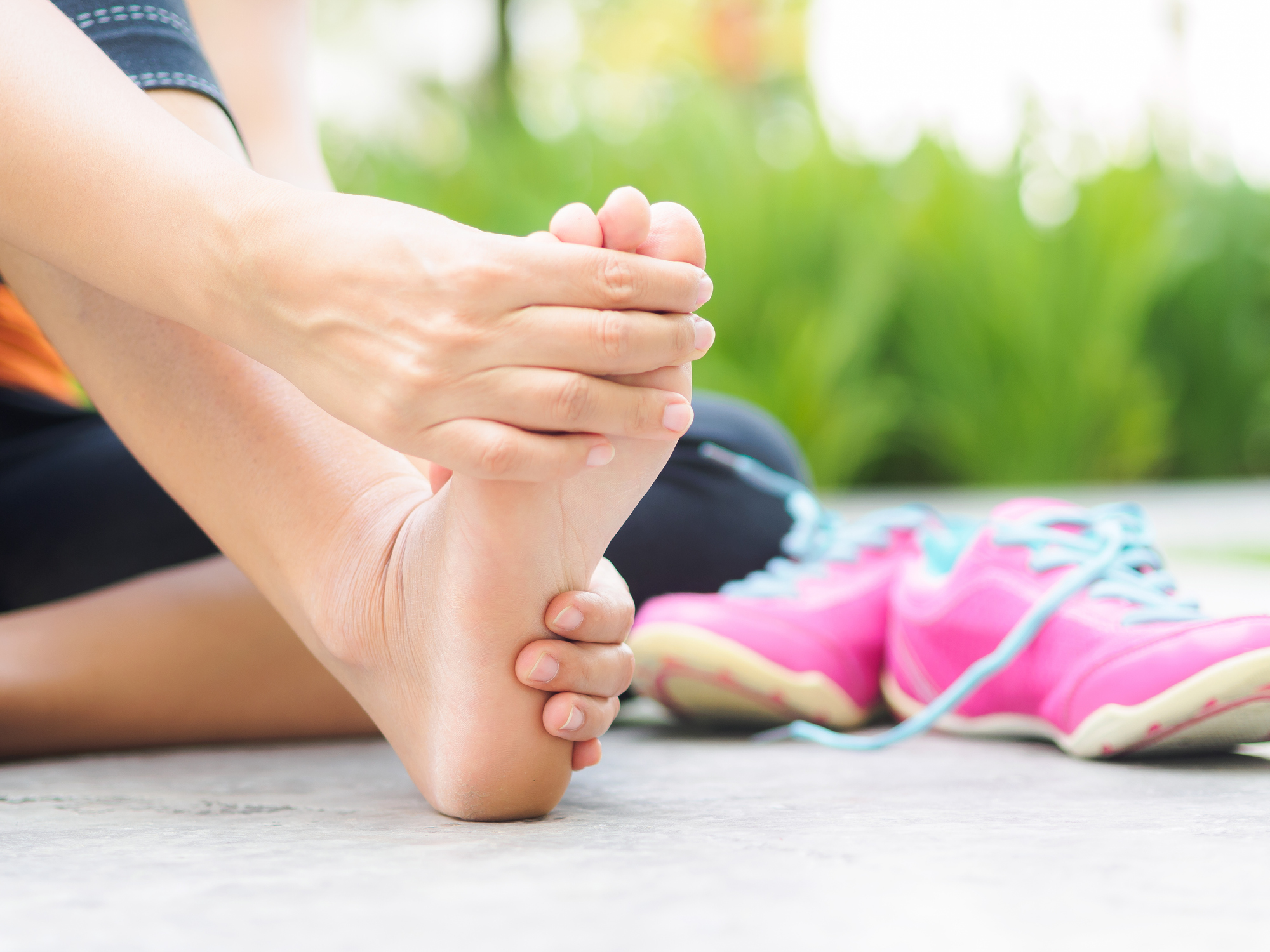
Managing Heel Pain at Home?
Wondering whether your child's heel pain can be treated at home or if it's time to see a specialist? Learn what pediatric orthopedic experts recommend, including when to seek medical care.
Learn MoreHow is it treated?
Treatment depends on the extent of your child’s injury. Non-surgical options to treat Sever’s disease include:
- I.C.E. – Rest, ice, compression and elevation
- Activity modification or restriction
- Anti-inflammatory medication (e.g., ibuprofen)
- Supportive shoe inserts
- Stretching exercises
- Physical therapy
A short leg cast or walking boot may be used if symptoms are severe. Doctors at Connecticut Children’s can determine the right plan to treat your child’s injury.
Choosing the Right Shoes
Wearing supportive athletic shoes that fit properly may help reduce stress on the heel during sports and everyday activities. Shoes that are worn out or provide little cushioning may contribute to discomfort.
Can My Child Still Play Sports?
Some children can continue playing sports, with some adjustments. Others may need to reduce or temporarily stop playing until symptoms improve. Your Connecticut Children's orthopedic and sports medicine teams will recommend the safest return-to-play plan based on your child's symptoms.