
The Advanced Cellular and Gene Therapy Program
When your child faces a serious diagnosis, you need a team that can explain the choices and next steps. The Advanced Cellular and Gene Therapy (ACGT) Program offers pediatric bone marrow transplant, pediatric stem cell transplant, stem cell therapy, and other cellular therapy for children with serious conditions. We treat certain cancers, blood disorders, and complex non-malignant conditions.
You get expert help, clear updates, and steady support at every step.
Talk With Our ACGT Team
If your child may need a bone marrow transplant, stem cell transplant, or another advanced cellular therapy, our pediatric specialists can help find the best path forward. We welcome virtual visits as well.
Experienced Physician and Team Leadership
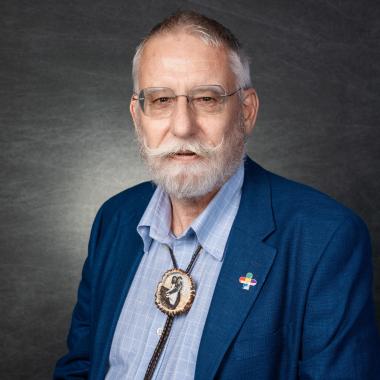
The program is led by Martin Andreansky, MD, a pediatric bone marrow transplant doctor. He brings nearly 30 years of experience caring for children with complex cancers, blood disorders, and immune problems.
Caring for children who need a transplant or cellular therapy is a team effort. Dr. Andreansky works with a multi-specialty team. This team includes experts in blood and cancer care, infectious disease, kidney care, and critical care.
Many team members bring transplant experience from leading pediatric programs. Together, we keep care centered on your family.
Advanced Treatment, Specialized Care, and Hope Close to Home
When your child faces a serious cancer, blood disorder, or immune problem, you want every treatment option available in the safest setting.
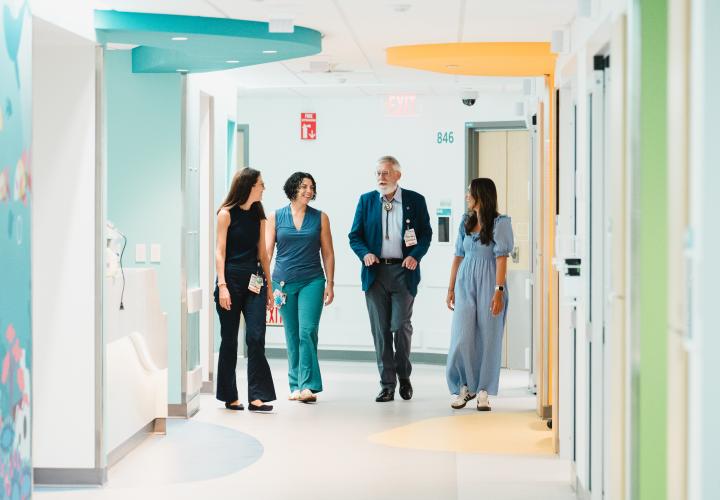
The Chênevert Family Foundation Advanced Cellular and Gene Therapy Unit brings together an experienced pediatric transplant team. We deliver this care in a space built for children who need bone marrow transplants and advanced cellular therapy.
What Is Cellular Therapy?
Some children need more than standard treatment for cancer, blood disorders, or immune problems. Cellular therapy uses healthy blood-forming cells or prepared immune cells to fight disease. It helps reset the immune system and gives children the best chance to heal.
For some children, this stem cell treatment is the best path to recovery.
How can living cells become part of treatment?
Cellular therapy uses live cells as part of care. Healthy blood-forming cells can replace cells that do not work well. In other cases, prepared immune cells help the body find and fight disease.
Some cellular therapy stays active in the body after treatment. How treatment works and how long it lasts is different for each child.
Bone marrow or stem cell transplant
A bone marrow transplant or stem cell transplant replaces sick blood-forming cells with healthy ones. These cells can come from your child or from a carefully chosen donor.
This is a key part of pediatric bone marrow transplant care.
Cellular therapy
Cellular therapy uses specially prepared cells to help the body's immune system fight disease. These treatments add options for children with certain cancers and other complex conditions.
CAR-T therapy
CAR-T therapy is a form of cellular therapy. It uses a child's own immune cells to target certain cancers. It may help children whose disease has returned or has not responded to other care.
Why families choose Connecticut Children's
Led by a pediatric transplant doctor with nearly 30 years of experience
A team 100% focused on kids
Advanced cellular therapy options
Family-centered support before, during, and after treatment
When your child needs one of the most advanced treatments in pediatric care, skill matters. So does support. You get expert care, shared plans, and a child-friendly space built for the needs of children who receive transplant and cellular therapy.
A New, Dedicated Pediatric Transplant Environment
Children who need transplants require special care. Connecticut Children's created a dedicated inpatient unit for children receiving bone marrow transplants and advanced cellular therapy.
Special air filters and infection-control steps protect children when their immune systems are weak. The unit also includes spaces for play and movement to support physical, emotional, and developmental needs during longer stays. We are one of very few units in the nation to offer dedicated spaces for physical therapy and exercise.
Your Child's Care Journey
Supporting Your Family
Our team guides you through every step, from the first visit through recovery and long-term follow-up.
Every child's plan is different, but families can count on personal care, clear updates, and support throughout the process.
We answer your questions and keep you informed. We help your child stay connected to the people and routines that matter most.
Our Dedication To You
- Family partnership: We see you as an essential part of your child's care team.
- Clear communication: We explain the plan, what to expect, and who to call with questions.
- Coordinated care: We work with your child's current doctors and support teams during treatment and follow-up.
- Whole-child support: We care for your child's medical, emotional, and social needs.
Commitment to Research and Innovation
Research turns today's questions into tomorrow's treatment choices. Dr. Andreansky's research focuses on how transplants can treat serious disease, make care safer, improve access to donors, and support families.
His work includes stem cell transplants for sickle cell disease, thalassemia, and other non-cancer disorders. He also studies immune recovery, infection after transplant, and donor access barriers. Additionally, he helped develop early work on immune cells designed to fight leukemia.
At Connecticut Children's, this experience drives a program built on evidence, steady learning, and careful growth of advanced treatments.
Frequently Asked Questions
The Connecticut Children's ACGT Program combines nearly 30 years of expert leadership with a unit built entirely for kids. Care is led by a specialized pediatric transplant doctor and a dedicated multi-specialty team. Our new child-friendly unit features advanced infection control, play spaces, and complete family-centered support from diagnosis through long-term follow-up.
Yes, long-term remission or a cure is the goal for certain diagnoses. We offer hope for families who have exhausted all other treatment options. However, benefits and risks vary for each child. Our team will explain what the treatment does, the supporting evidence, and what it means for your child.
Eligibility depends on your child's diagnosis, past treatments, overall health, and specific needs. The Connecticut Children's ACGT team will review medical records and consult with your current care team to decide if an evaluation is right.
A consultation is simply a first step to learn what may be possible. It does not mean your child will need treatment.
During your first visit, our team reviews your child's diagnosis, treatment history, and current health. We answer your questions and outline potential treatment choices.
Your child may also receive a physical exam or additional tests. Before you leave, we explain our initial findings and next steps.
Cellular therapy uses live cells to rebuild the immune system or target disease. Treatment replaces unhealthy blood-forming cells or uses specially modified immune cells to attack disease. For example, CAR-T therapy uses your child's re-engineered immune cells to fight specific cancers.
The Advanced Cellular and Gene Therapy Program offers pediatric bone marrow transplant, pediatric stem cell transplant, and advanced cellular therapy for children with certain cancers, blood disorders, and complex non-cancer conditions.
Our team will explain which options may fit your child and whether they are available at Connecticut Children's.
- Autologous stem cell transplant using the child's own cells
- Allogeneic stem cell transplant using donor cells
- CAR-T therapy delivered onsite, coordinated elsewhere, or planned for the future
- Other cellular therapies
We find donors through genetic testing (HLA typing) to match markers on your child's cells with potential donor cells. If your child cannot use their own cells (autologous transplants), we test close family members first. We also search donor registries and cord blood banks. Our team evaluates match quality, donor health, and safety factors to choose the best donor.
Treatment and recovery timeframes vary by child, recovery usually takes 4-6 weeks and rebuilding of the immune system can take 6-12 months. This timeline includes evaluation, preparation, transplant, inpatient recovery, and outpatient follow-up.
Immune rebuilding continues long after leaving the hospital. We provide a complete schedule for both inpatient and outpatient care.
We are 100% focused on kids, and that does not change. Daily life balances specialized medical care with supportive childhood activities. Rest, play, movement, and time with loved ones all matter.
Your child's daily routine includes medication, checkups, physical therapy in our dedicated space, and visits from the care team. Some visits may include our fun and helpful Child Life team who explains certain procedures in hands-on ways kids can understand.
Because children receiving transplant and cellular therapy are weakened, safety rules may affect visitors, food, masks, shared spaces, and whether your child can leave the unit. These rules may change as your child heals and responds to treatment.
Our Team
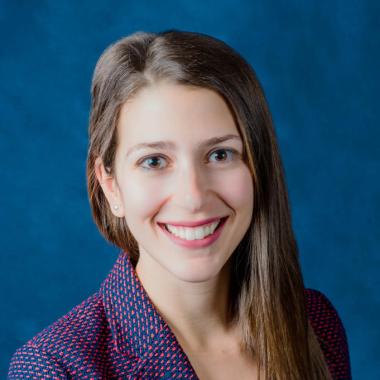
Meredith Lake, MSN, CPNP-AC
- Specialty
- Center for Cancer & Blood Disorders