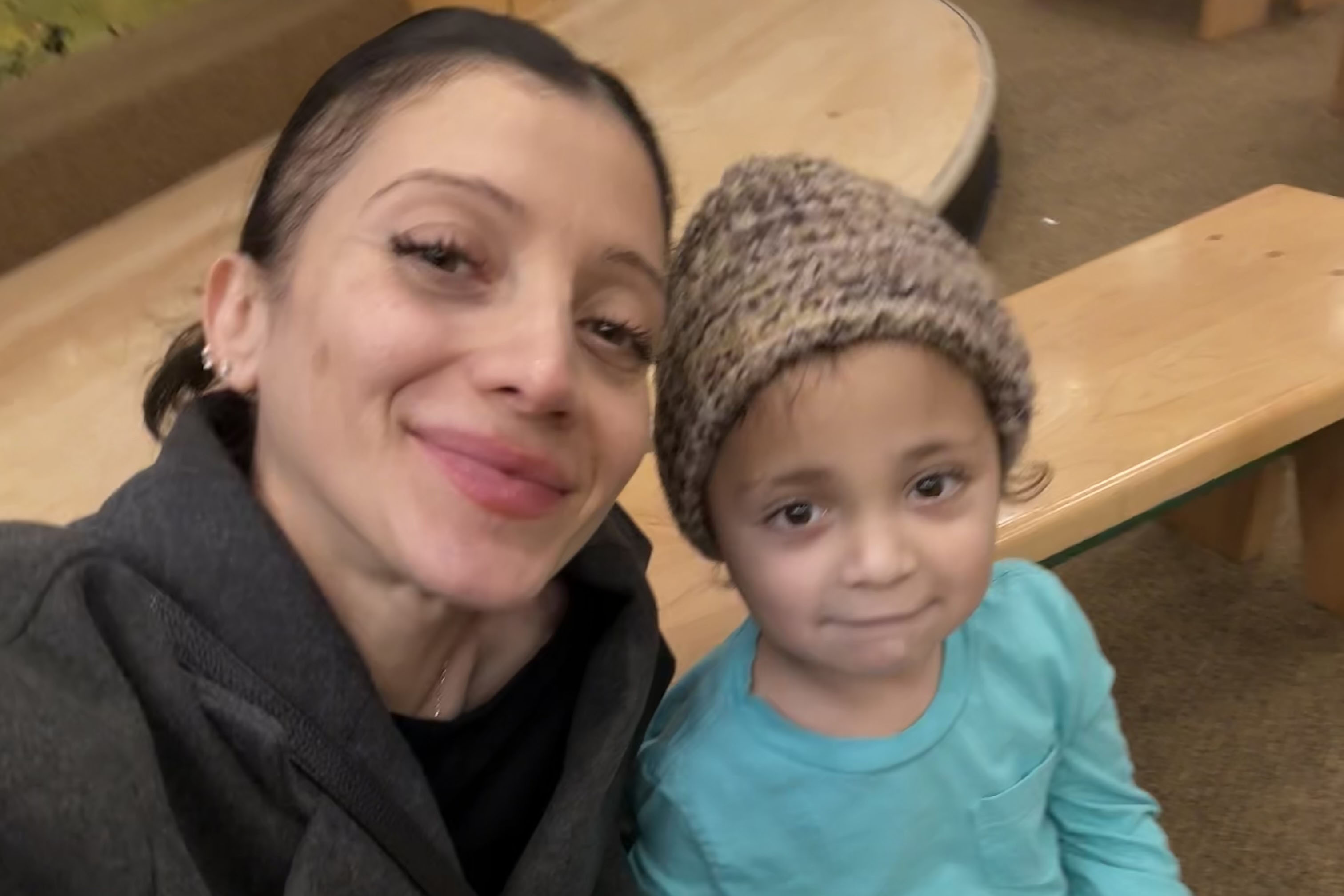
“This is our miracle”
Josiah’s story began during pregnancy, with a routine ultrasound that revealed something devastating: fetal renal failure. At just 12 weeks pregnant, Narina was told by one provider that her baby would not survive.
But another specialist pointed her toward hope — renowned fetal surgeon Timothy Crombleholme, MD, FACS, FAAP, who now leads Connecticut Children’s Fetal Care Center. Dr. Crombleholme has spent his career pushing the boundaries of what fetal medicine can do, offering hope for diagnoses once thought fatal. That includes fetal renal failure.
“It’s so important for families to know there is a treatment option for fetal renal failure, as opposed to their OB or MFM just saying, well, there's nothing that can be done,” says Dr. Crombleholme. “This option won't necessarily be for everybody. But we want families to at least have the information to make up their own minds.”
“There was something in me that just knew,” Narina says. “This is our miracle.”
First, Dr. Crombleholme performed surgery to place a small port, called an amnioport, just under the skin near Narina’s rib cage. Inspired by the ports used in chemotherapy, the amnioport was invented by Dr. Crombleholme specifically for complicated pregnancies like Narina’s — making it possible to deliver life-saving infusions to babies in utero, while reducing the risk of the mother’s water breaking early. It allowed Josiah’s lungs to develop and gave him a chance to survive pregnancy, birth, and what would come next.
When Josiah was born prematurely at 33 weeks, Dr. Crombleholme was there. Soon after, he led the delicate surgery that allowed Josiah to begin peritoneal dialysis as a newborn. (In addition to his expertise as a fetal surgeon, Dr. Crombleholme is a pediatric surgeon — and one of very few in the nation who can perform this particular surgery on newborns as tiny as 1,500 grams.)
For the next three and a half years, dialysis did the work of Josiah’s kidneys. It was a long road, filled with hospital visits, daily medical care and constant vigilance. It was worth it. It sustained him until he was big enough for the next step: a kidney transplant.