
Fetal renal failure happens when a baby’s kidneys do not develop properly in the womb. This causes a series of life-threatening problems for your developing baby.
Until recently, doctors thought fetal renal failure was always fatal. Expecting parents were told there were no options. Today, that’s no longer true.
With the right care, babies with fetal renal failure can survive and grow into thriving children. However, the treatment path requires a deep commitment.
At Connecticut Children’s Fetal Care Center, we guide your family through every step of this journey so you can make the best choice for your baby.
How Do I Know If This Treatment is Right for My Family?
This treatment path involves frequent medical visits, potential relocation, and daily care at home. That means it requires a strong support network.
Connecticut Children’s can help you develop that support network, so that you don’t have to go through this alone.
We’ll also look at the big picture with you, discussing things like:
Your child's future quality of life
The support you will need from friends and family
The ways our team can walk alongside you every step of the way
Why Choose Connecticut Children’s for Fetal Renal Failure?
- Nationally recognized care: We are one of only a few centers in the country offering advanced treatments for fetal renal failure.
- Expert leadership: Our center is led by Dr. Timothy Crombleholme, a pioneer in fetal surgery who developed groundbreaking techniques for this condition.
- Complete team support: You will meet with our entire team of experts to get all the answers and second opinions you need in one place.
What is Fetal Renal Failure?
Renal failure is another name for kidney failure.
Your developing baby’s kidneys play an important role in the womb. Kidneys make urine, which forms the amniotic fluid that protects your baby and helps their lungs grow.
When the kidneys don’t form as they should, amniotic fluid levels drop. This can prevent the lungs from developing fully.
Doctors usually spot these kidney issues on a routine 20-week ultrasound. When this happens, parents are referred to a specialty fetal center like Connecticut Children’s.
This diagnosis used to mean a baby could not survive. Today, we have treatments that can help protect your baby's lungs and health before birth.
What Happens When I Come to Connecticut Children’s for Fetal Renal Failure?
First, you’ll have a few special tests to check your baby’s kidneys and find out why they aren't working properly:
- Detailed ultrasound: A clear scan of your baby. You might need a temporary fluid boost (amnioinfusion) during the scan to help doctors get a better view.
- Fetal MRI: An extra scan that gives doctors a clearer picture of your baby's body and organ structure.
- Fetal echocardiogram: A special heart ultrasound with a fetal cardiologist. It checks how well your baby's heart is pumping and makes sure there are no heart defects or strain from high blood pressure.
After we’ve confirmed the diagnosis, you’ll meet with our full team of experts who will help answer your biggest questions.
- Fetal surgeon: Explains the procedures we use during pregnancy to protect your baby's lungs.
- Maternal-fetal medicine (MFM) specialist: Focuses on your health, future pregnancies, and a safe delivery plan.
- Neonatologist: Prepares you for what your baby's stay in the neonatal intensive care unit (NICU) will look like.
- Pediatric nephrologist: Explains what daily dialysis and kidney care will look like as your child grows.
- Pediatric and transplant surgeons: Explains the surgeries your child will need after birth.
- Psychologists and support teams: Help your family navigate the emotional and financial aspects of care.
Would you like to schedule an appointment with our Fetal Care Center?
How Does Connecticut Children’s Treat Fetal Renal Failure?
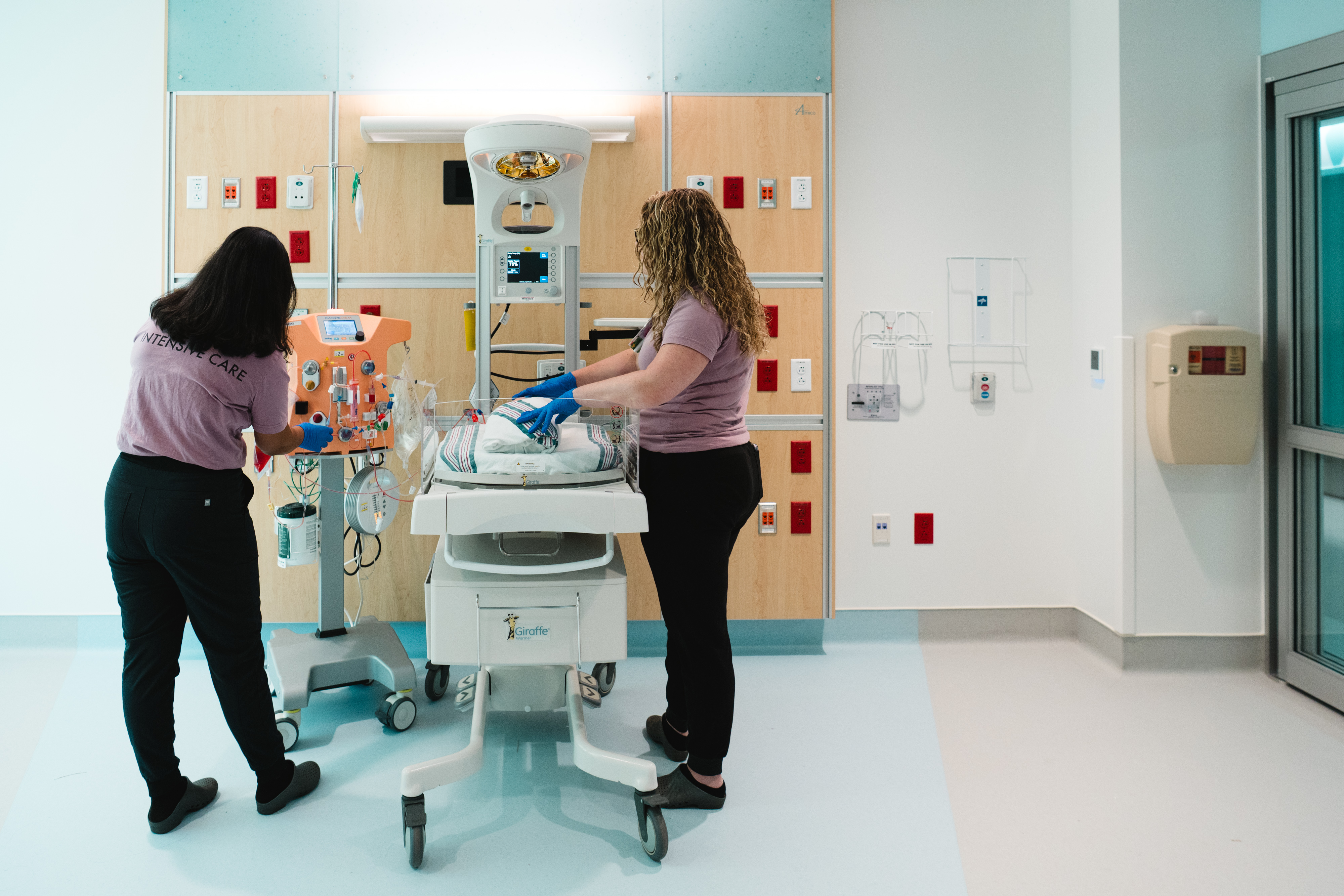
Connecticut Children’s has pioneered new treatments for fetal renal failure such as CARPEDIEM Dialysis .
It is a long-term journey, though. There are distinct steps at each stage of your child's life:
- During pregnancy: You’ll receive regular checks to monitor amniotic fluid. If fluid is low, we perform procedures to add fluid back into the womb. This helps the baby’s lungs develop safely.
- At birth: Right after delivery, the baby has surgery to insert a small tube for dialysis. Dialysis does the work of the missing or non-working kidneys. Dr. Crombleholme can perform this procedure on newborns as small as 1,500 grams.
- Early childhood: Your child will need daily, at-home dialysis treatments for their first few years.
- Kidney transplant: Around age 3, most children become large enough for a kidney transplant. After a successful transplant, they can stop dialysis. They will take daily medicines to protect their new kidney.
- Lifelong care: As your child grows, they will need regular checkups with kidney specialists to ensure they stay healthy.
What to Know Before Deciding to Treat Fetal Renal Failure
Read: Deciding to Treat Fetal Renal Failure- Information for FamiliesFetal Renal Failure Information for Medical Professionals
Fetal Renal Failure Information for Medical Professionals
Dr. Timothy Crombleholme has dedicated his career to building fetal care programs in the U.S., training select teams to take up this specialty.
From his expansive work in the field, he’s written an extensive literature review for medical professionals seeking more information about fetal renal failure. It includes:
- Background on the pathophysiology of fetal renal failure
- Criteria for peritoneal dialysis in the NICU
- Information about managing treatment during pregnancy and the team required to do so
- Information about fetal renal failure treatment outcomes, including long-term outcomes
Are You Referring a CPAM Patient to the Fetal Care Center?
Make a Referral
We offer 3 easy ways to make a referral:
Call us at 866-577-1284
Electronically through EpicCare Link
Complete an online specialty referral form