If your child snores often, sounds congested, or breathes through their mouth, enlarged adenoids may be the cause. In fact, mouth breathing in children is a major sign that these tissues are too large.
Connecticut Children’s Rachelle Wareham, MD, pediatric ENT, is here to help. She shares the signs of enlarged adenoids in kids and explains when surgery might be the right choice.
What Are Adenoids?
Adenoids are small pads of tissue located behind the nose and above the throat. They help your child's immune system fight germs that enter through the mouth and nose. Adenoids are largest during early childhood and usually shrink as your child grows.
What Are the Signs of Enlarged Adenoids?
Sometimes, adenoids stay swollen after infections or allergy flare-ups. Because they sit behind the nose, they can block airflow. This blockage makes the difference between nasal vs mouth breathing very obvious. Swollen adenoids are actually one of the most common mouth breathing causes.
Some children have trouble focusing or act out because they do not sleep well. Over time, long-term mouth breathing effects can lead to poor sleep quality and low energy levels.
When Should I See a Pediatric ENT?
You should see a specialist if your child's symptoms last for weeks or months. Occasional snoring during a cold is completely normal. However, you should request an evaluation if your child:
Snores most nights
Breathes through their mouth during the day
Sleeps poorly or wakes up often
Seems tired after getting enough sleep
Gets repeat ear infections
Struggles to breathe through their nose
An ENT visit can help you find mouth breathing solutions that fit your child's unique needs. Many parents are surprised by how much swollen adenoids can affect sleep.
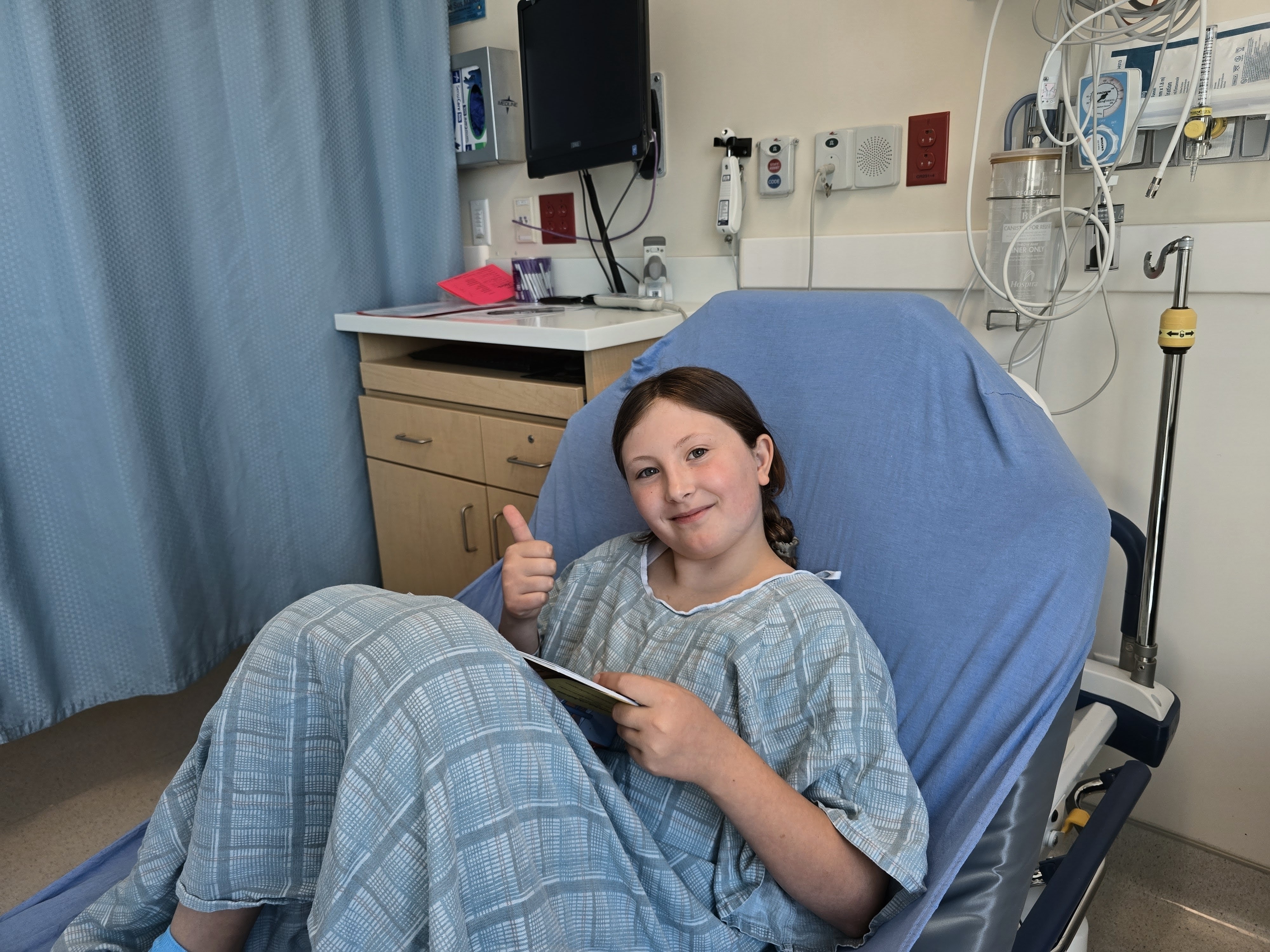
"I Couldn't Breathe Through My Nose:" Adelina's Story
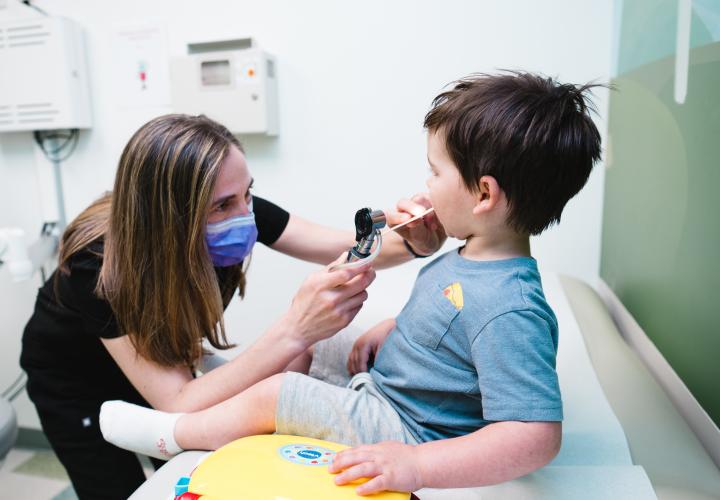
Our ENT specialists will review your child's symptoms and perform a gentle exam. Sometimes, we use a small, flexible camera to look inside the nose. This quick test shows us exactly how much the adenoids are blocking airflow.
Not every child needs extra imaging or tests. We can check many children during a single office visit. Our team works closely with you to decide the best next steps.
When Is Adenoid Surgery Recommended?
We typically try a nasal spray or other medicine first. If medicine does not help, adenoid surgery may be the next step. This procedure is called an adenoidectomy. We may recommend surgery if enlarged adenoids in children cause ongoing issues like:
Some children with sleep apnea also need their tonsils removed at the same time. We will help you review all treatment choices to decide if an adenoidectomy in children is the right path for your family.
Not every child with enlarged adenoids needs surgery. Here at Connecticut Children's, we help families understand all treatment options and decide whether adenoidectomy is appropriate based on symptoms, sleep concerns and overall quality of life
Yes, adenoid removal is a very safe and common pediatric procedure. We perform the surgery under anesthesia, and most children go home the exact same day. The typical adenoidectomy recovery time is about 5 days. While healing, your child may experience:
A sore throat or stuffy nose
A mild fever
Bad breath
Changes in appetite
Most kids slowly return to their normal eating, sleeping, and activity levels within a week.
For kids who have lived with chronic congestion, these changes can make a massive difference.
When Should Parents Talk to a Specialist?
You should ask for a referral to Connecticut Children's if your child snores often, breathes through their mouth, or stays congested. Early care helps us find out exactly what is causing their breathing or sleep problems.