I know firsthand how important it can be for young people to see that a career is possible before they can imagine themselves in it.
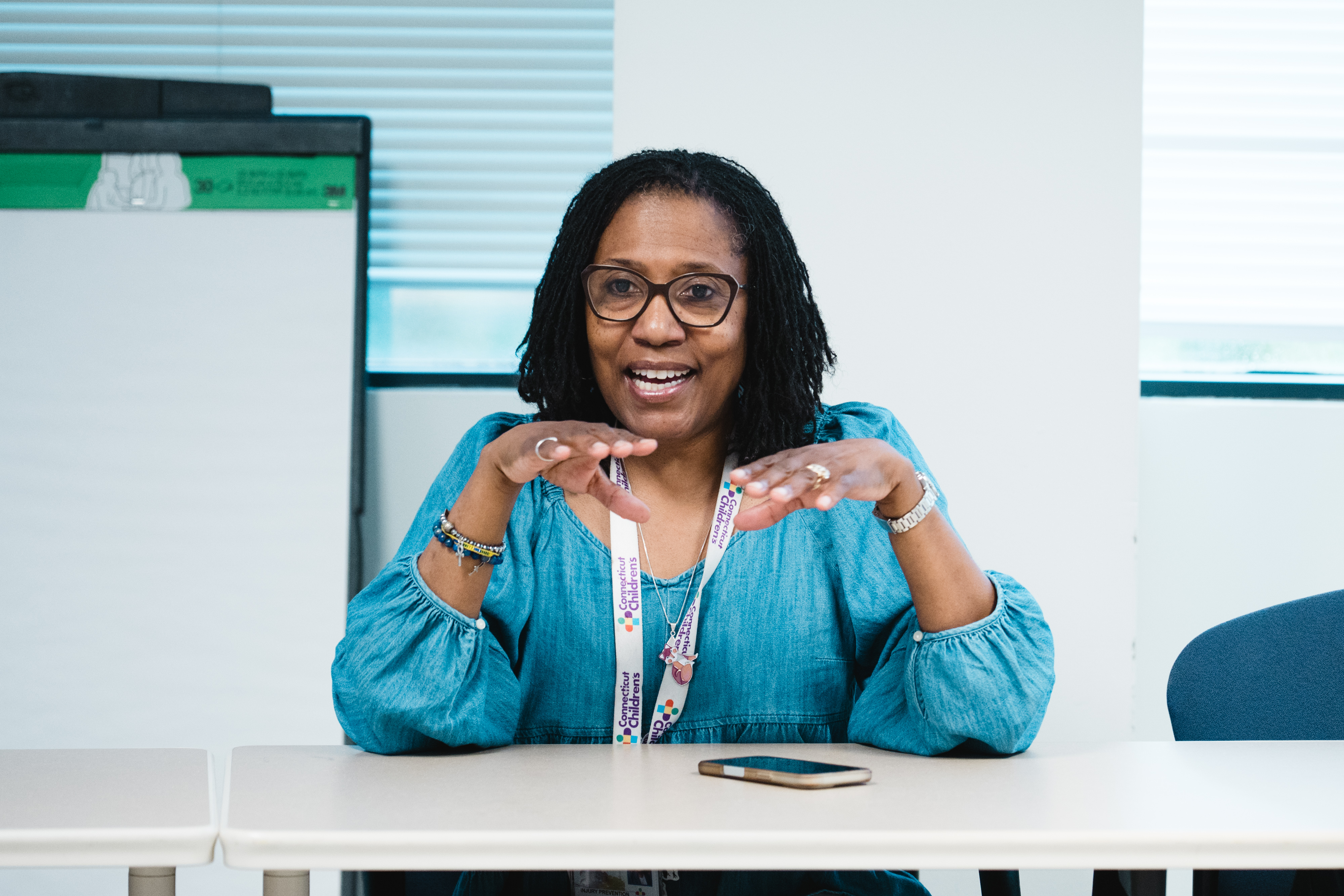
I was born in Puerto Rico and came to Hartford when I was 8 years old. I grew up here, attended Buckley High School and later Capital Community College, and Hartford has always been home. Today, as Senior Community Relations Manager with Connecticut Children’s Office for Community Child Health, I feel incredibly fortunate to have a career that allows me to give back to the community that helped shape me.
That is one of the reasons I value our partnership with ReadyCT so much.
ReadyCT is a nonprofit organization dedicated to career-connected learning for students in its partner districts. For the past three years, Connecticut Children’s has partnered with ReadyCT, Hartford high schools and schools throughout Greater Hartford to support the Allied Health Pathway by providing students with internship opportunities and exposure to careers in healthcare.
For me, this work is about more than an internship. It is about helping Hartford students see the many possibilities that exist within healthcare and giving them an opportunity to learn from professionals, build their skills and begin developing a career path.
Learning from Hartford Students
Over the past three years, students participating in the program have had opportunities to engage with Connecticut Children’s in different ways.
In the first year, students interned at the Family Resource Center, gaining experience in a community-based setting.
In the second year, students provided their perspectives on Connecticut Children’s Community Health Needs Assessment (CHNA). Their contributions were included in the 2025 CHNA report, and the students are also pictured in its appendix.
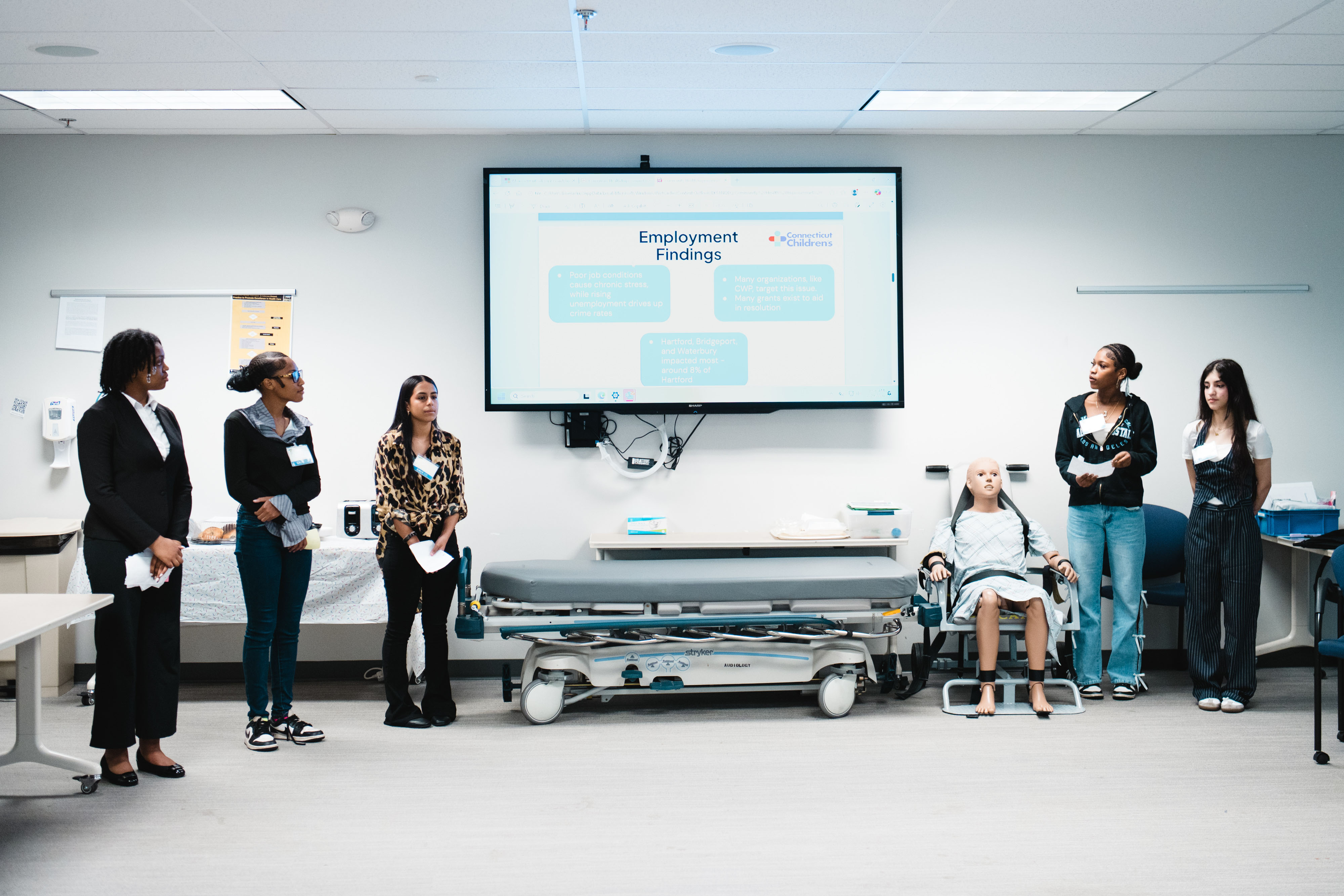
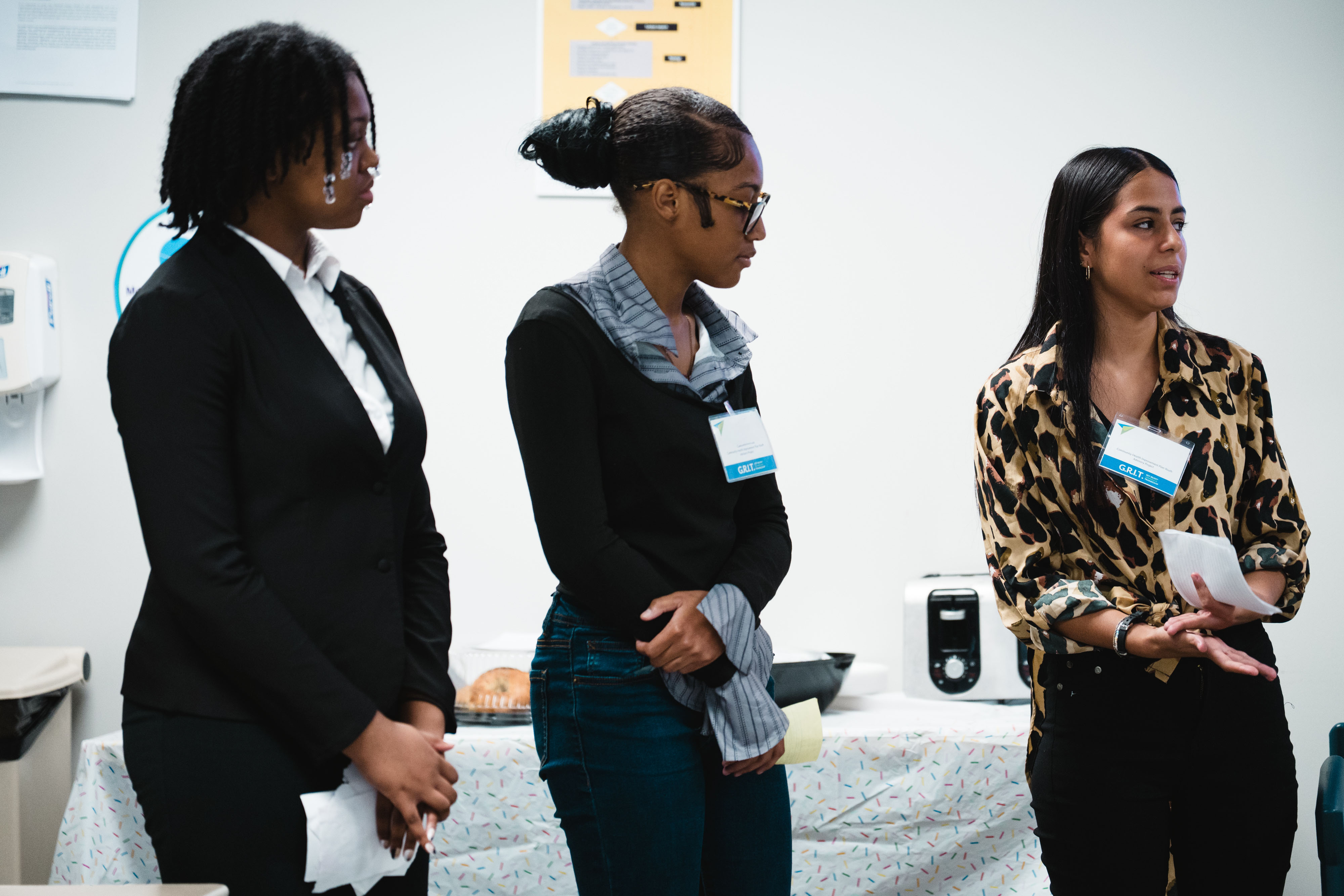
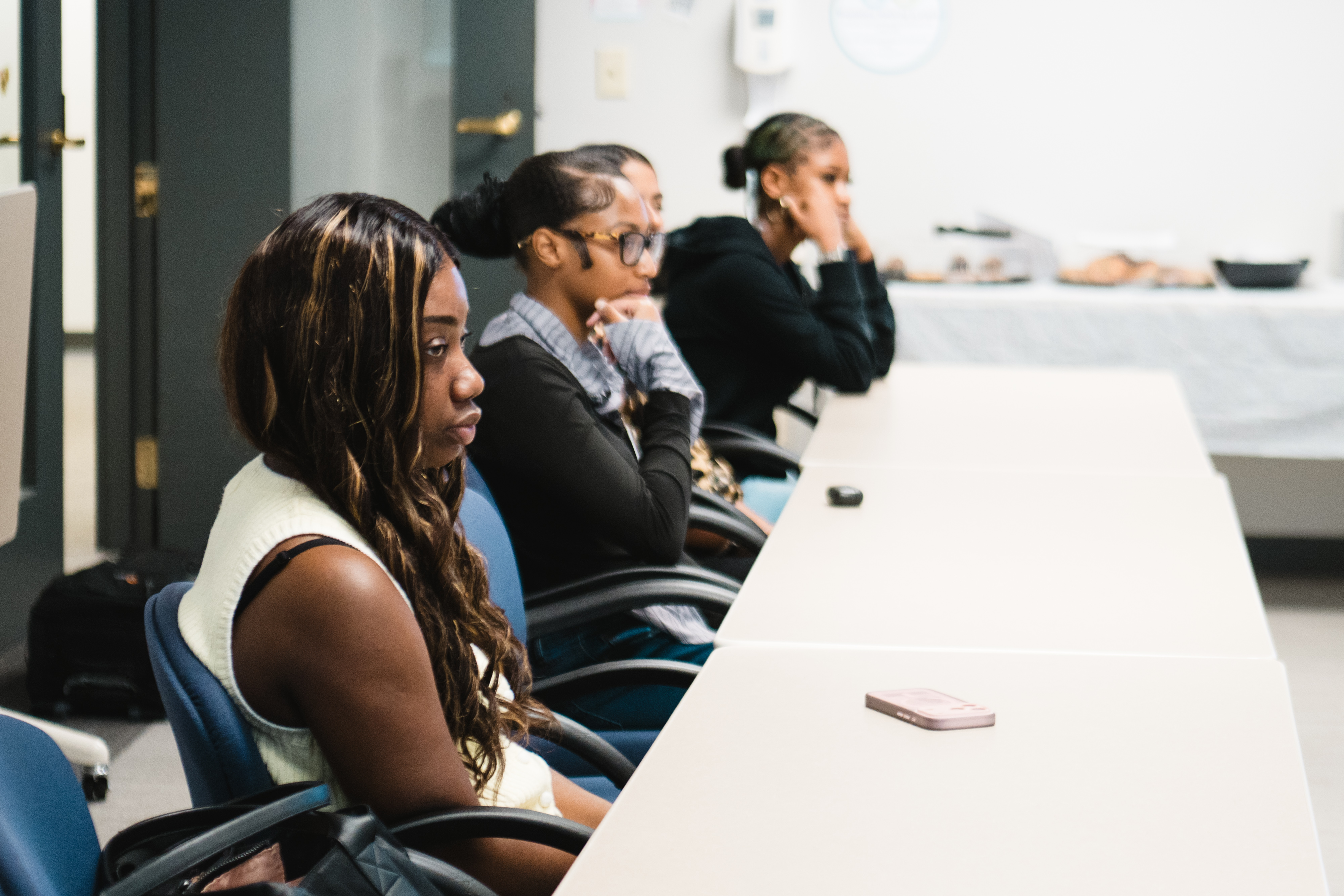
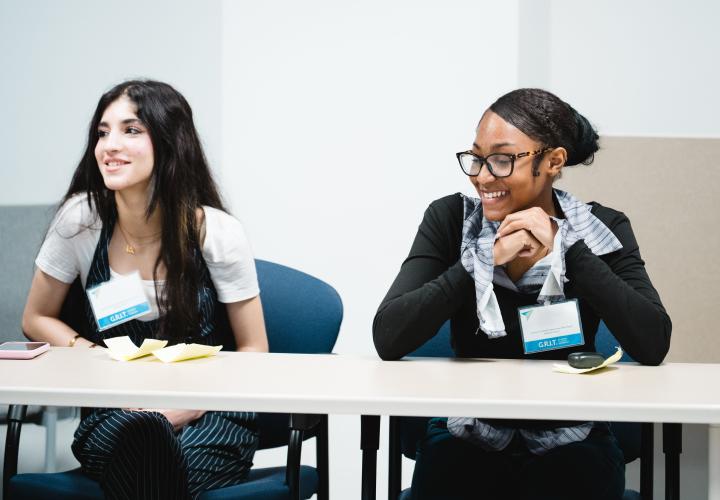
This year, six interns took on another meaningful project: reviewing Connecticut Children’s Community Health Improvement Plan (CHIP) and providing their perspectives on how progress toward its priorities can be tracked.
Their insights are now being shared with Connecticut Children’s research team to help strengthen how the organization measures progress on its community health goals.
What has stood out to me throughout this process is how much these students have to contribute. They are not simply learning about community health. They are looking at the priorities identified by the community and offering their own perspectives on how we can measure whether we are making progress.
Their feedback has touched on the importance of partnerships, youth-focused input, mental health, addressing gaps in services, and creating more internship and volunteer opportunities. They have also identified community organizations they believe Connecticut Children’s should know about or consider partnering with, including local food pantries.
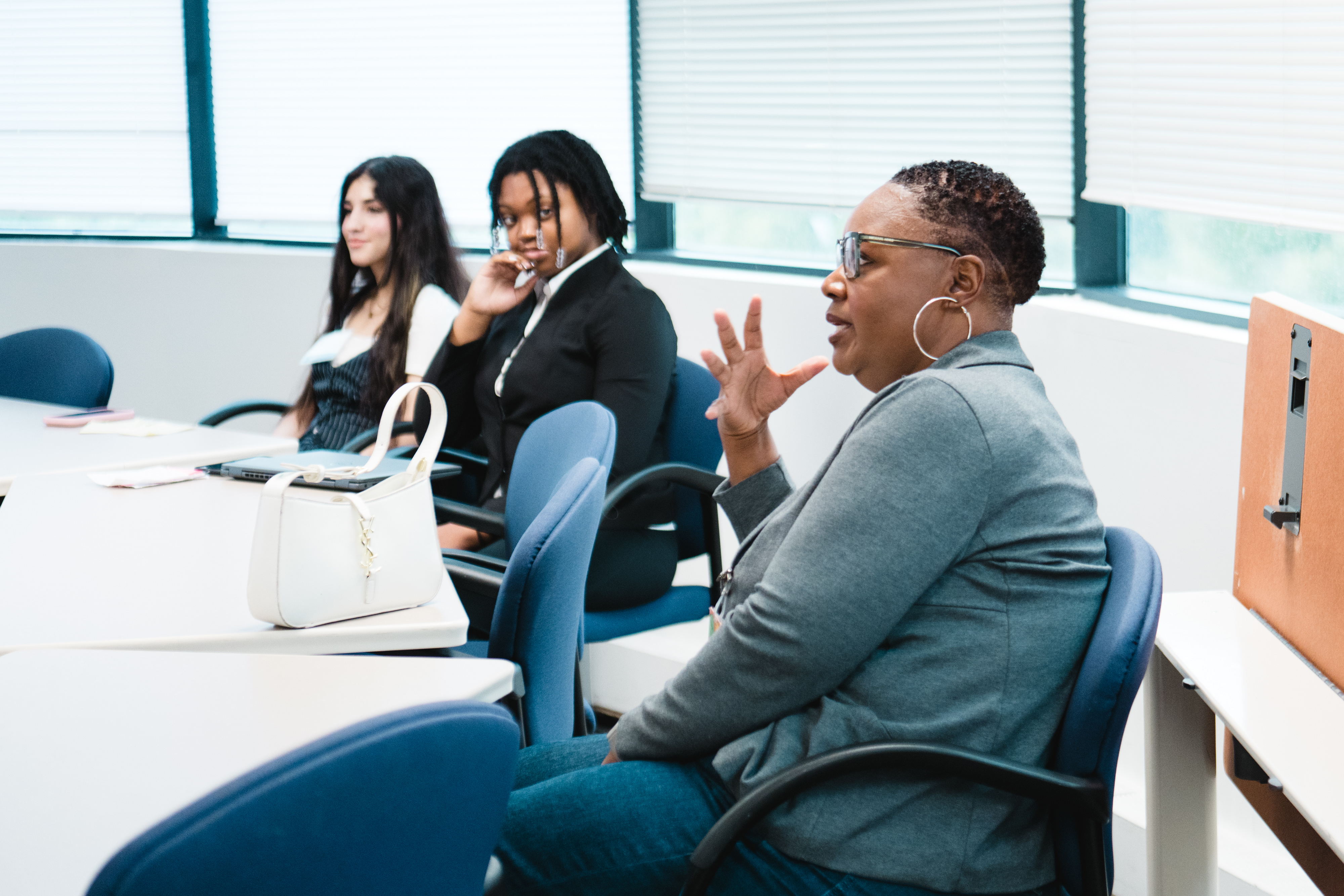
These conversations remind me that young people are experts in their own experiences. When we create space for them to share what they see and what matters to them, we gain perspectives that can make our work stronger.