Most families expect their baby to arrive around their due date. But sometimes, babies are born a lot earlier than planned for any number of reasons.
If your doctor has told you that your baby may come early and need a NICU stay, you may feel scared or unsure of what happens next. That is completely normal.
The good news is that medical care for premature babies has improved greatly over the years. Many babies born early grow, develop and thrive with the right support.
Annmarie Golioto, MD, Medical Director of the NICU at Connecticut Children’s, explains.
What Is Considered Premature Birth?
A baby is considered premature if they are born before 37 weeks of gestation. Some babies are born just a few weeks early. Others may arrive much sooner.
Not every premature baby needs intensive care. The amount of support a baby may need depends on:
• How far from their due date they are born • Their weight at birth • Help that is needed to breathe, eat, gain weight and stay warm • Any other health concerns detected during pregnancy or at birth
Some babies may need help with breathing or feeding at first. Some may need life-saving interventions or surgery. Others may simply need time to grow bigger and stronger. At Connecticut Children’s, we’re equipped to walk you through all of these scenarios.
During the last weeks of pregnancy, a baby’s lungs, brain and digestive system are still developing. If a baby is born early, those systems may need extra support outside the womb.
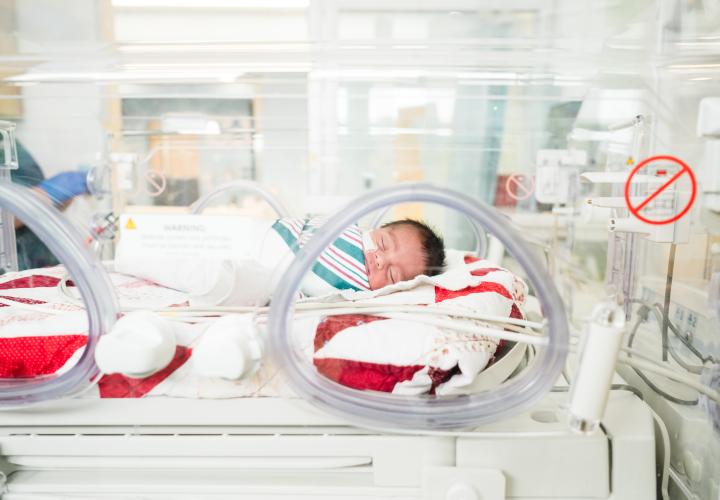
This is where a Neonatal Intensive Care Unit (NICU) can help. A NICU is a special unit designed to care for newborns who need more medical attention.
NICUs have:
• Clinical experts specially trained in newborn care • Specialized equipment to monitor babies and assist their breathing and temperature control • Nutrition support for feeding and growth • Access to pediatric specialists 100% dedicated to kids for consultations and, if needed, procedures.
The goal is always the same: to help babies grow stronger, empower families with helpful information and support—and get them ready to thrive at home.
Ask if a consultation with neonatology is recommended before delivery,
Request a tour the NICU if you wish
Learn what support services are available for families
You do not have to make decisions alone. Your care team is there to guide you.
A Message of Reassurance
Hearing that your baby may come early can feel overwhelming. But you are not alone.
NICU teams care for premature babies every day. They are trained to handle even the smallest and most fragile newborns with skill and compassion.
With specialized care, most babies born early go on to grow, learn and thrive.
If you have questions about premature birth or NICU care, speaking with your care team can help you feel more prepared and more confident about the road ahead.