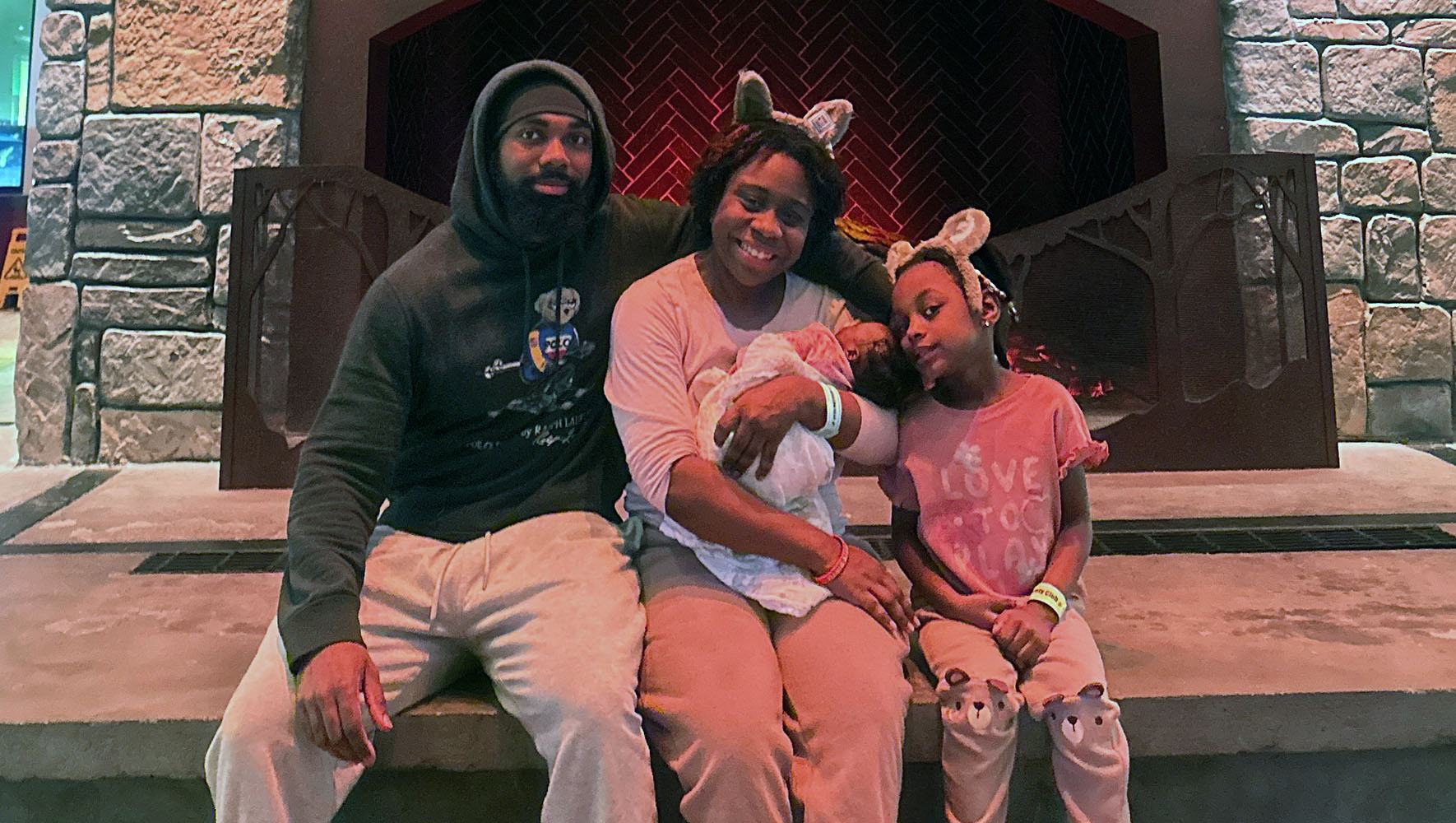
How one family found answers—and a different path forward—for their baby’s rare lung condition
When Amanda went in for her 19-week anatomy scan, she expected a routine appointment. Instead, it became the beginning of a complex and emotional journey—one that would ultimately lead her to seek a second opinion late in pregnancy and change the course of her daughter’s care.
At A Glance
Diagnosis: Suspected CPAM (later found to be a fetal lung interstitial tumor)
Second opinion: Connecticut Children's at 33 weeks
Treatment: Fetal MRI, cardiac catheterization, lung-sparing surgery
Outcome: Healthy recovery at home
An Unexpected Diagnosis
Earlier in her pregnancy, Amanda had already been navigating uncertainty. A non-invasive prenatal test (NIPT) suggested a possible chromosomal condition, adding an early layer of stress.
Then came the 19-week ultrasound.
That’s when doctors identified a small mass on her baby’s lung, initially believed to be CPAM (congenital pulmonary airway malformation)—a rare condition that affects the development of a portion of the lung, resulting in a mass in the lungs.
At first, Amanda felt reassured. The lesion was small. She understood that it might not grow or cause issues.
But that’s not what happened.
Looking for Answers
As Amanda's pregnancy progressed, the lung mass continued to grow.
At her local fetal care program, she was told to prepare for a scheduled C-section and surgery shortly after birth. The recommendation felt overwhelming.
"I remember thinking, this is a lot. It just didn't feel right to me," Amanda recalls.
Determined to learn more, she began searching online for a second opinion.
What happened next was, in her words, "night and day."
Timothy Crombleholme, MD, fetal and neonatal surgeon and director of Connecticut Children's Fetal Care Center, personally reviewed her case.
Additional testing, including fetal MRI, helped the team gain a clearer understanding of the mass. The behavior of the lung mass was not as expected for a CPAM, calling into question the underlying diagnosis. The continued growth of the lung mass raised the possibility that this might be a fetal lung interstitial tumor (FLIT tumor) which is a neoplasm that continues to grow, unlike a CPAM that reaches a growth plateau. After a comprehensive review, Connecticut Children's fetal care team determined that Amanda would not need an emergency delivery.
Further evaluation suggested the lesion was not behaving like a typical CPAM. Instead, the team suspected a more complex diagnosis: a fetal lung interstitial tumor. This is a rare lung lesion supplied by a large systemic blood vessel coming off the aorta. Fetal lung volumes obtained by MRI suggested that the baby had plenty of lung development and would not need urgent surgery.
Most importantly, Amanda finally felt she had a plan.
"He was everything we needed in that moment—and more," she says of Dr. Crombleholme. "He explained everything so clearly. Never condescending. Just honest and thorough."
Under the care of Connecticut Children's, Amanda's delivery plan changed.
Rather than requiring a C-section, she successfully delivered Amira vaginally at Hartford Hospital—a VBAC (vaginal birth after cesarean).
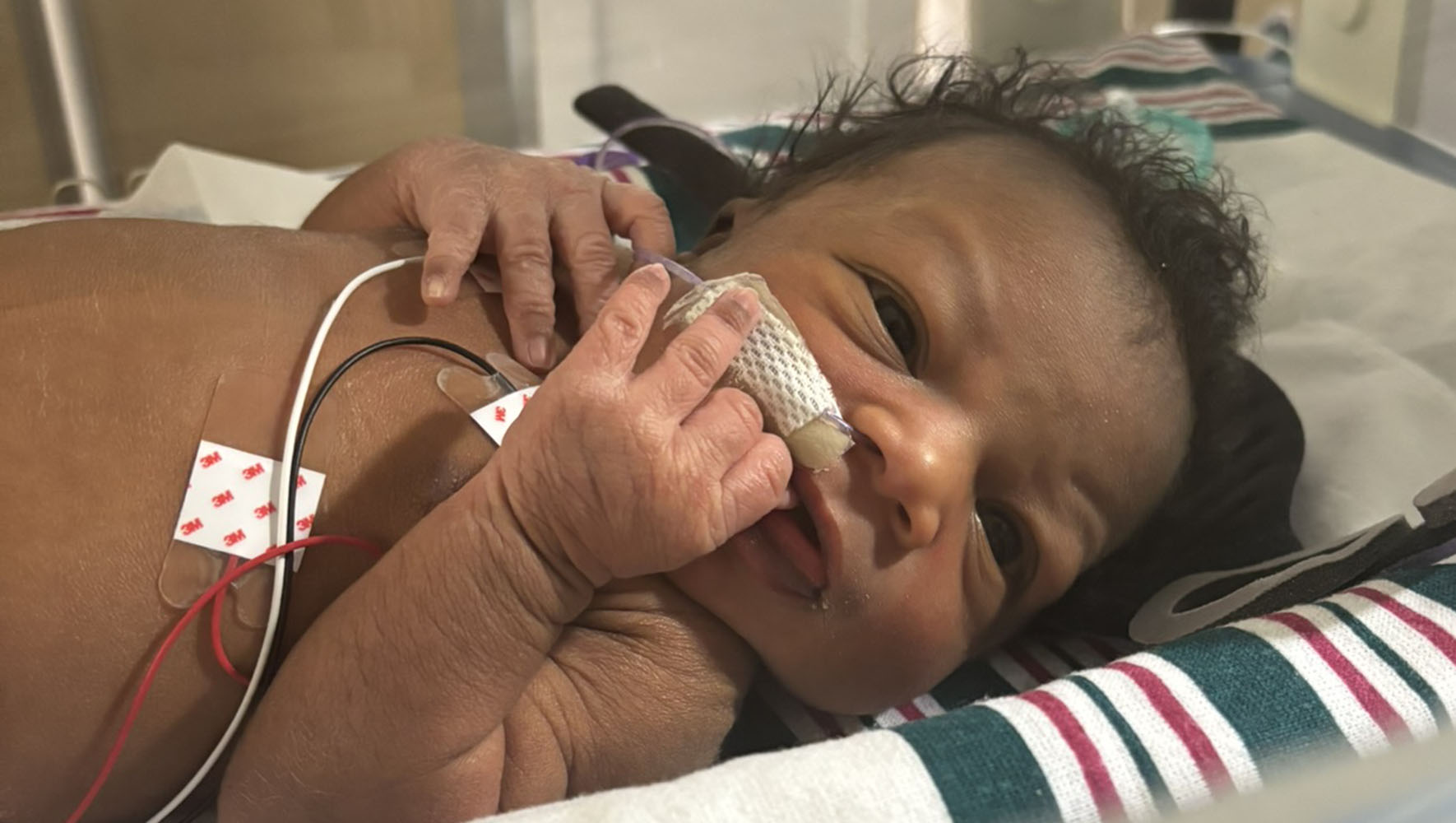
After birth, Amira experienced mild breathing difficulties and spent six days in Connecticut Children's Level IV NICU at Hartford Hospital. But she was stable, and did not need immediate surgery.
For Amanda, it was another sign that seeking a second opinion had been the right decision.
I found Connecticut Children’s Fetal Care Center on Google when I was looking for a second opinion. That's why I'm so happy to share our story—because I know other parents are searching, just like I was.
Amanda,
Amira's Mom
An Important Discovery and Collaboration with the Heart Center
At a follow-up visit just two weeks after birth, Dr. Crombleholme was concerned that the significantly enlarged blood vessel supplying the lung mass may be causing the baby to go into high output cardiac failure. An echocardiogram confirmed that the vessel was sending extra blood to the mass and placing strain on Amira's heart.
At 5 weeks old, Amira underwent a cardiac catheterization procedure with our interventional pediatric cardiologists. Using specially designed coils, the procedure blocked the abnormal vessel to reduce the blood flow to the mass and the strain on her heart in order to prepare her for surgery.
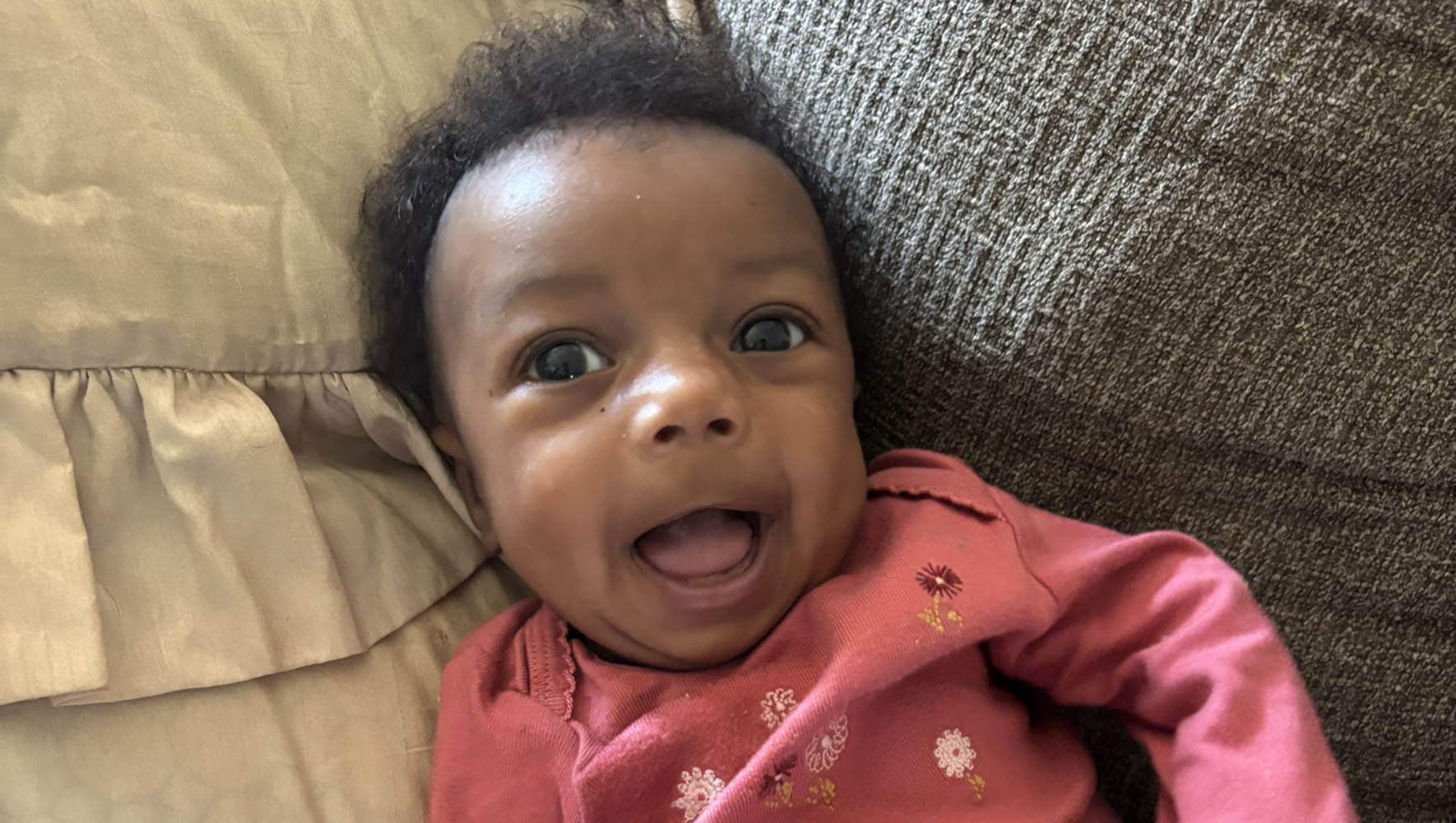
The procedure was successful, and after a brief hospital stay, Amira returned home to recover.
Amira Comes Back to Connecticut Children’s for Surgery
Less than two weeks later, Amira returned to Connecticut Children's for surgery with Dr. Crombleholme.
With the abnormal blood supply already closed, the team was able to perform lung sparing surgery. This means Dr. Crombleholme removed the segments of Amira's right lower lobe affected by the mass, while preserving ("sparing") the rest of the right lower lobe.
Throughout the procedure, Amanda and her family received real-time updates through the hospital's Ease app and direct communication from nurses.
"They made it so much easier to get through," Amanda says.
The surgery was successful, marking the final major step in a treatment journey that began months earlier with an unexpected finding on a routine prenatal ultrasound.
Care That Extended Beyond the Patient
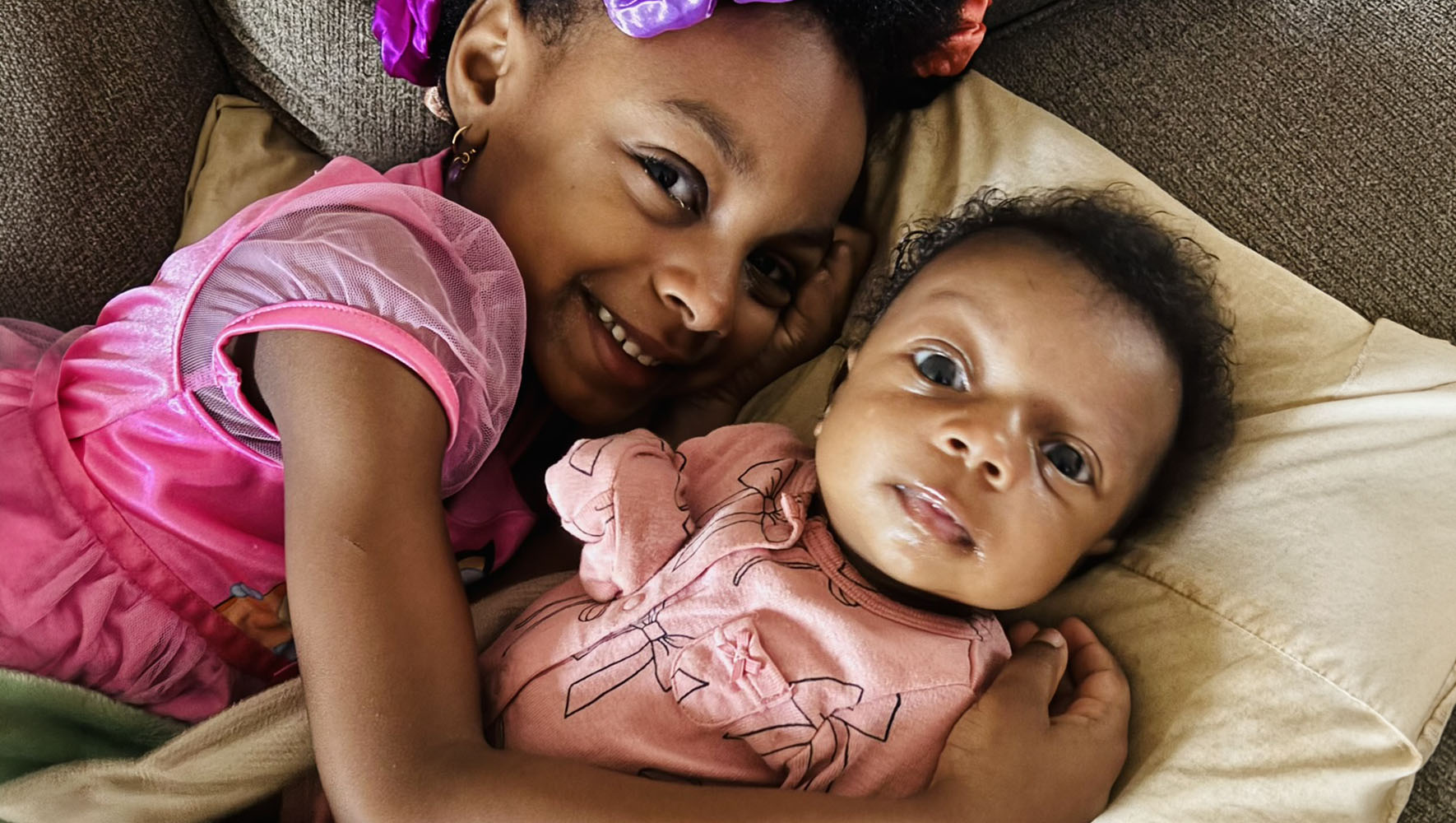
For Amanda, the experience wasn’t just medical—it was about how her entire family was supported by a team 100% dedicated to kids. Her 6-year-old child, Amira’s sister, was able to:
visit Amira in the hospital;
receive activity kits and support; and
feel included in the experience.
Social workers and care teams helped ease the emotional strain of long hospital stays and time away from home.
“It wasn’t just about treating Amira,” Amanda says. “It was about all of us.”
Need a Second Opinion?
Discover how our Fetal Care Center evaluates complex fetal diagnoses.
Looking back, Amanda still thinks about how differently the story could have unfolded.
"Everything we were originally told would happen didn't," she says.
Getting a second opinion at Connecticut Children's changed not only the treatment plan, but the entire experience.
And fittingly, she found the program the same way many families do—online.
"I found Connecticut Children’s Fetal Care Center on Google when I was looking for a second opinion," she says. "That's why I'm so happy to share our story—because I know other parents are searching, just like I was."
For families facing a fetal diagnosis, Amanda's advice is simple:
"Trust your instincts. Ask questions. And don't be afraid to seek another opinion. It can make all the difference."